Signs of Hidden Water Damage
Most water damage is found late, because the leak is inside a wall or above a ceiling. Colorado Springs Flood Restoration explains the stains, smells and small changes worth taking seriously.
- Restoration Referrals
- Independent Pros
- Drying & Repairs
By Colorado Springs Flood Restoration · Updated September 2026
A Stain That Changes Shape
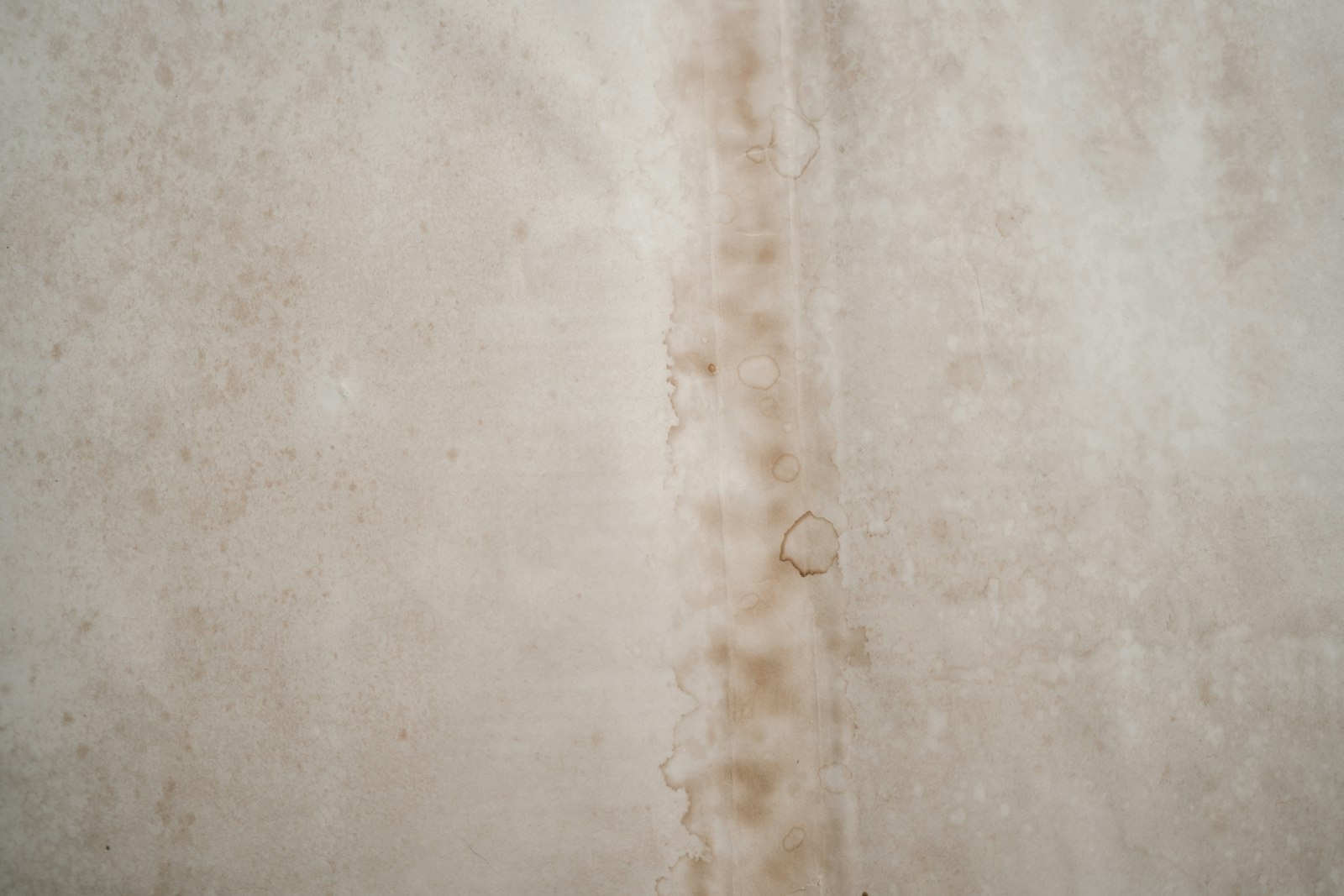
A brown ring on a ceiling or a dark patch at the bottom of a wall is water that has already been moving for a while. The useful question is not what it looks like but whether it is growing. Mark the edge in pencil with the date, then look again after the next rain, the next thaw or a week of normal use.
A stain that spreads has an active source. One that stays put may be an old repair that was never painted, though it can still mean insulation above it was wet at some point and never properly dried.
Smell Before Sight
A musty smell in a closed basement, a closet against an exterior wall or a crawl space is often the first sign, and it usually arrives before anything is visible. Damp materials hold that smell even after the surface dries, which is why a room can look fine and still smell wrong.
Pay attention to where it is strongest and whether it fades when the space is aired out and returns when it is shut up again. That pattern points at material that is still holding moisture rather than a one-off spill.
Floors and Trim Telling on the Walls
Wood flooring that cups or lifts at the seams, vinyl planks separating, tile that sounds hollow underfoot, or base trim pulling away from the wall all suggest moisture underneath. Paint bubbling in a line along the bottom of a wall is the same signal.
In a finished basement, carpet often feels dry while the pad under it is not. Press a knee into it in the suspect area, or lift a corner at the tack strip if you can do so without damage. If the pad is cold and damp, the subfloor probably is too.
Clues From the Meter and the Bill
A water bill that climbs with no change in habits is worth checking. Shut off every fixture and appliance in the house, then look at the meter: if the dial is still moving, water is going somewhere. That test catches slow leaks in supply lines long before they show on a ceiling.
Sounds count too. Running water heard with every tap closed, a toilet that refills by itself, or a sump pump cycling on a dry week are all worth investigating.
Seasonal Signs Worth Watching
In winter, look for stains that appear on upstairs ceilings during a thaw, and for damp patches on exterior walls near plumbing. In spring, check window wells after the melt and watch the joint where the basement floor meets the wall. After a hail storm, look at ceilings under the roof several weeks later, because a roof leak often takes that long to show inside.
Check the utility room regularly as well. A water heater in a basement often shows a rusty base or a damp ring around it long before it fails outright.
Where This Shows Up Around Colorado Springs
Older neighborhoods bring original drain lines and mature trees, which is a common combination behind slow drain backups. Newer subdivisions bring finished basements, upstairs laundry rooms and appliance supply lines, where a small leak can run behind cabinetry for weeks. Homes on the west side and in the canyons deal with runoff coming at the building from uphill.
Anywhere with steep ground above it, entry points matter most; water damage restoration in Manitou Springs describes how that plays out on tight canyon lots.
Arrange an Inspection
If any of this sounds familiar, a moisture check settles it quickly and without opening walls. An independent provider can trace the wet area, explain what caused it and move on to structural drying if the readings call for it.
Where damp material has been sitting for a while, mold remediation may come into it, and the dry and restore versus replace guide explains what usually stays and what usually goes. Ask for an inspection and describe what you have noticed.