Emergency Water Extraction
Standing water in a basement or on a main floor has to come out before anything else can dry.
Water ExtractionColorado Springs Flood Restoration connects north Colorado Springs callers with independent restoration providers. Briargate is a run of subdivisions built from the 1980s through the 2000s, most of them two-story homes over full basements, and a large share of those basements are finished.
Standing water in a basement or on a main floor has to come out before anything else can dry.
Water Extraction
Air movers and dehumidifiers pull the water back out of framing, subfloor and drywall.
Structural Drying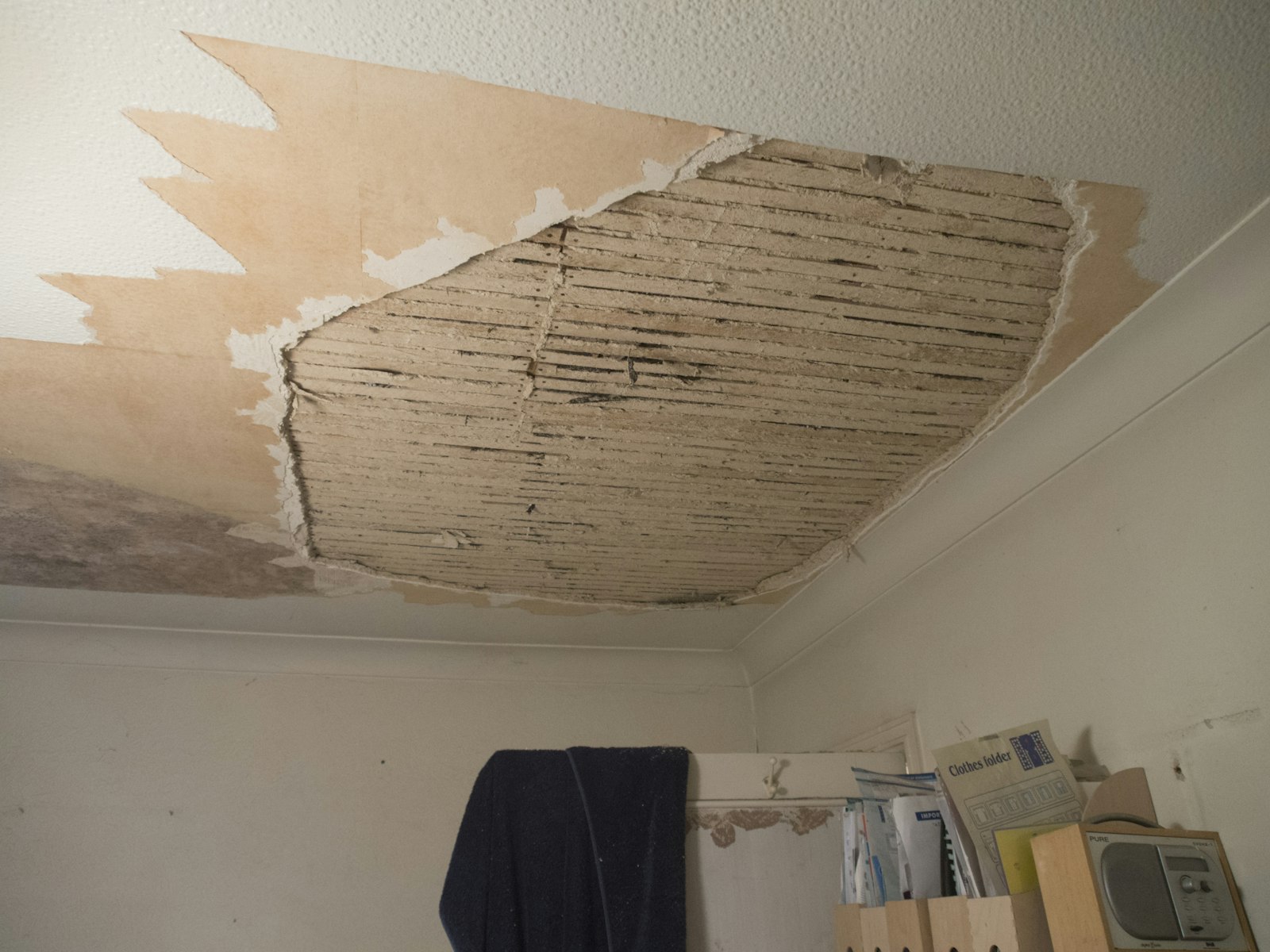
A stain from a hail-damaged roof or an ice dam has usually soaked the attic insulation first.
Roof Leak CleanupHouses up here sit high on the north side, so the weather is a little colder and the snow sits a little longer than it does downtown. The homes themselves are big, with plumbing running out to bathrooms over garages and bonus rooms, laundry rooms moved upstairs in the newer phases, and a furnace, tank and sump in a basement utility room that is often boxed in behind finished walls. When something up high fails, the water ends up two levels down before anyone sees it.
The other pattern here is seasonal. Late spring hail works on roofs, vents and skylights across these neighborhoods, and the leak that starts then may not stain a ceiling until a long soaking snow months later. In winter, heavy snow and an ice dam at the eaves push meltwater back under the shingles of the same roofs.
Most of Briargate sits under HOA covenants, so exterior repairs, replacement roofing and anything visible from the street may need an approval before it goes ahead. That does not slow down the inside work; say so when you call and the drying and the exterior repairs can be sequenced properly.
Tell the provider whether the basement is finished and where the water appeared. The soaked carpet pad and the bottom of the drywall are the parts nobody sees.
Water from an upper floor travels down wall cavities. Say which room is above the wet ceiling so the provider checks the right spot.
Garage parking, a tight basement stair or a covenant on exterior repairs all affect scheduling. Mention them with the address.
In a finished basement the question is always how much of the wall, trim and flooring has to come out to dry what is behind it. Readings taken at several heights answer that, not how the carpet feels underfoot. In a two-story home there is a second question: whether the ceiling below the leak can be dried from above or has to be cut back.
Read dry and restore versus tear out and replace, then structural drying for what the equipment stage actually involves.
Further north on the Palmer Divide, see also water damage restoration in Monument, and every town and neighborhood is listed on the service areas page.
It depends on how much of the home is wet, how long the water ran and how much finished material has to be opened to dry the rest. Ask the independent provider to inspect, explain the options and confirm the price before anything is removed; see how a job runs.
Colorado Springs Flood Restoration connects Briargate and north Colorado Springs callers with independent providers for extraction, drying and repairs. Call and say how far the water spread; see the service request page.
It depends on the provider. Availability and scheduling depend on the provider and the property location. Storm nights are busier, so the earlier the call, the better.
Usually yes for a clean-water loss, as long as you stay out of rooms with standing water near outlets and leave the equipment running. If the water came from a drain line, treat it as a health risk and see sewage backup cleanup instead.
A ceiling caught early, with clean water and sound drywall, can often be dried from the attic side. One that is sagging, stained through or sitting over soaked insulation gets cut back instead, which is covered on the roof and ceiling leak page.
Because hail bruises and cracks shingles without making an obvious hole. The roof keeps shedding water for a while, then a long rain or a melting snow load finds the damage and it comes through a ceiling months later. Photograph any ceiling stain the day you notice it.
Call and describe where the water is and how long it has run so a provider can assess the job.