The moisture source fixed first
Removing growth without stopping the water that caused it only buys a few weeks. The leak, the seepage or the condensation problem is identified at the start.
Mold needs wet material, not humid air, so it follows leaks. An independent mold remediation provider should find the moisture source first, contain the work area, remove the growth and dry what is left behind.
People assume the dry Colorado air keeps mold away, and outside it mostly does. Inside is another story: a finished basement that took water, a crawl space with no vapor barrier, an ice dam leak above a bedroom ceiling, or a bathroom with no working exhaust fan all give mold the wet material it needs. Homes closed up while the owners spend winter elsewhere are a common one, because a slow leak runs for weeks with nobody there.
Mold can irritate the nose, eyes, throat and skin, and people with asthma or allergies may react more strongly. Nobody here diagnoses health problems; that is a question for your doctor. Ask any company you call what standards and training its technicians work to.
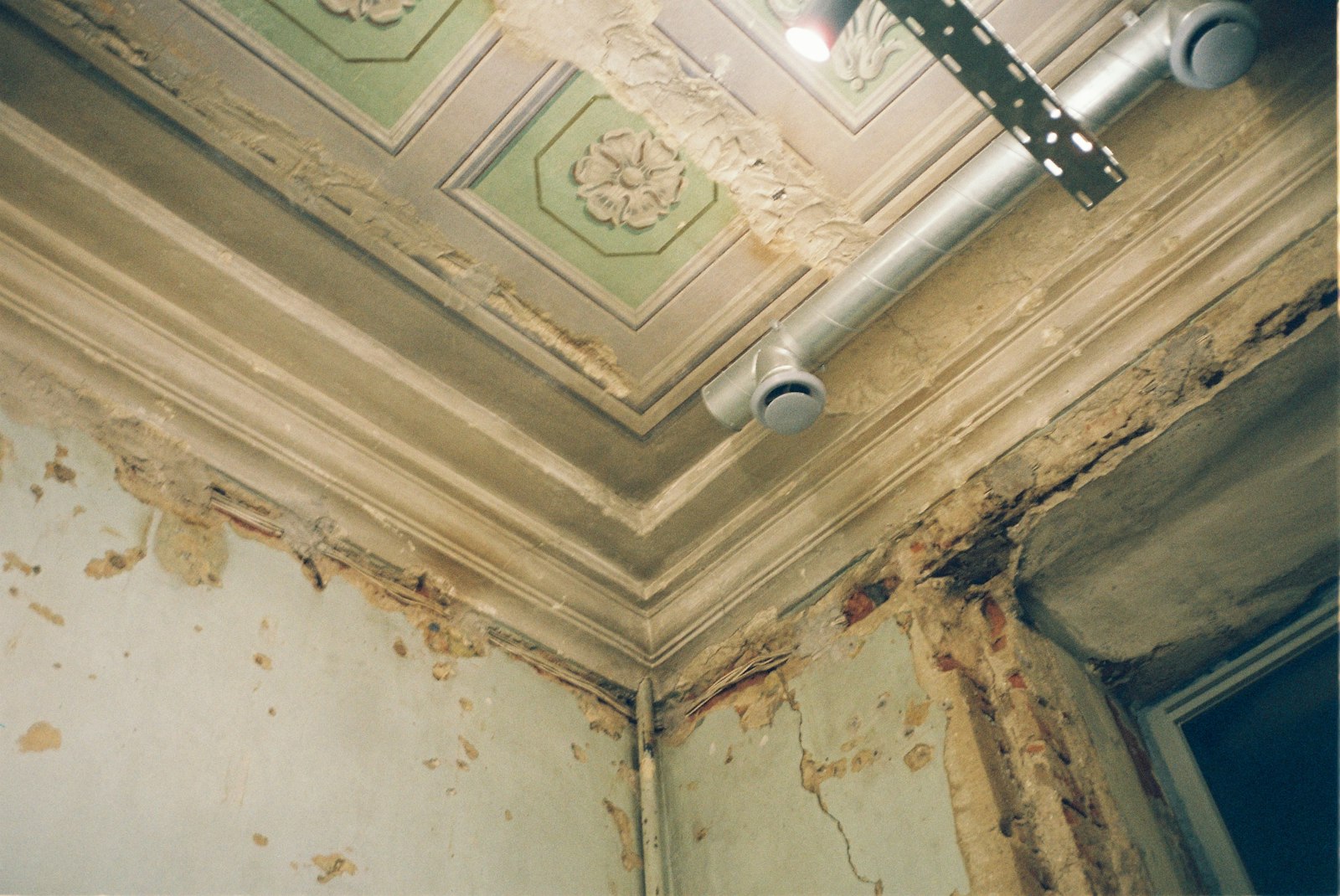
Scale matters. A patch behind a vanity is a different job from a wall in a basement that was wet for a month, and the plan is explained before anything is cut.
Removing growth without stopping the water that caused it only buys a few weeks. The leak, the seepage or the condensation problem is identified at the start.
Plastic containment and air filtration keep spores and dust from spreading into the rest of the house while affected material is removed.
Growth on porous material is removed rather than painted over, hard surfaces are cleaned, and the area is dried and re-checked before rebuilding.
Small surface growth in a bathroom is often a ventilation fix plus cleaning. Growth in drywall, insulation or carpet pad usually means removal, because the growth is inside the material rather than on it. The dry and restore versus replace guide covers how that line is drawn.
Most mold calls start as water calls. If something flooded recently, deal with the water properly through extraction and drying and there is usually nothing for mold to grow in.
If you are not sure whether what you can see is a problem, signs of hidden water damage is a good starting point, or ask for an inspection.
Given wet material and normal indoor temperatures, growth can begin within a day or two. That is the whole reason drying is treated as urgent rather than something to get to next week.
Wiping a small spot on tile or glass is reasonable. Bleach on drywall or wood treats the surface and leaves what is inside the material, and scrubbing a large area spreads spores. For anything beyond a small patch, have it looked at.
The inspection is about finding moisture and visible growth and tracing the source. Where a property sale, a tenancy or a dispute means you need sampling and a written assessment, that is a separate service by an independent party.
It follows the size of the affected area, the materials involved, how much containment is needed and what has to be rebuilt afterwards. Ask the independent provider to confirm the price before the work begins.
Call and describe where the water is and how long it has run so a provider can assess the job.