Emergency Water Extraction
Standing water in a basement or on a main floor has to come out before anything else can dry.
Water ExtractionA wet basement, a split supply line or a backed-up floor drain does not wait for business hours. Colorado Springs Flood Restoration connects you with independent water damage restoration providers. Availability varies by provider.
Standing water in a basement or on a main floor has to come out before anything else can dry.
Water Extraction
Air movers and dehumidifiers pull the water back out of framing, subfloor and drywall.
Structural Drying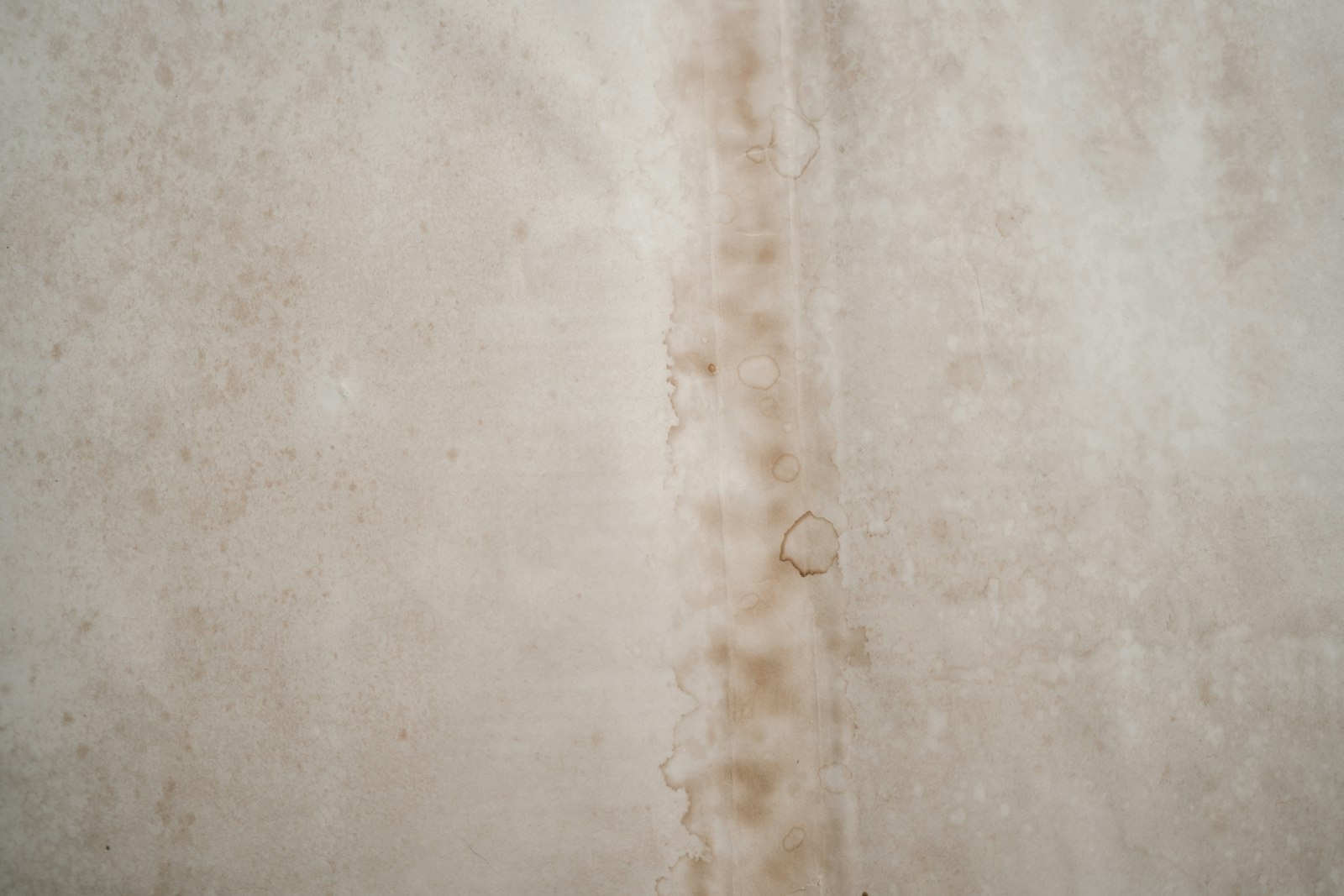
A supply line that split in a cold snap can run for hours before anyone hears it.
Burst Pipe Cleanup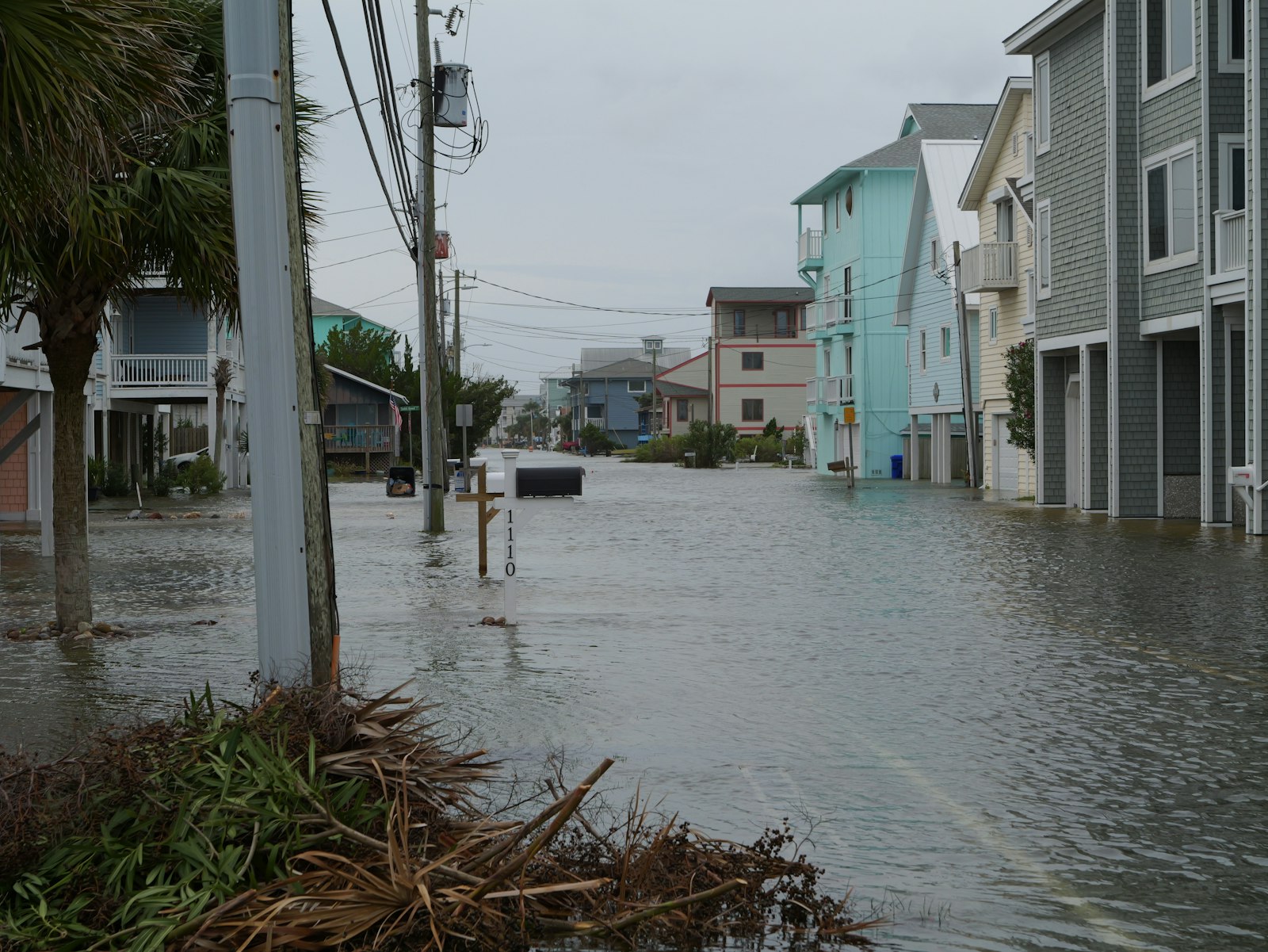
Snowmelt, a hail-beaten roof or runoff off a slope all end up inside the house.
Storm & Flood Cleanup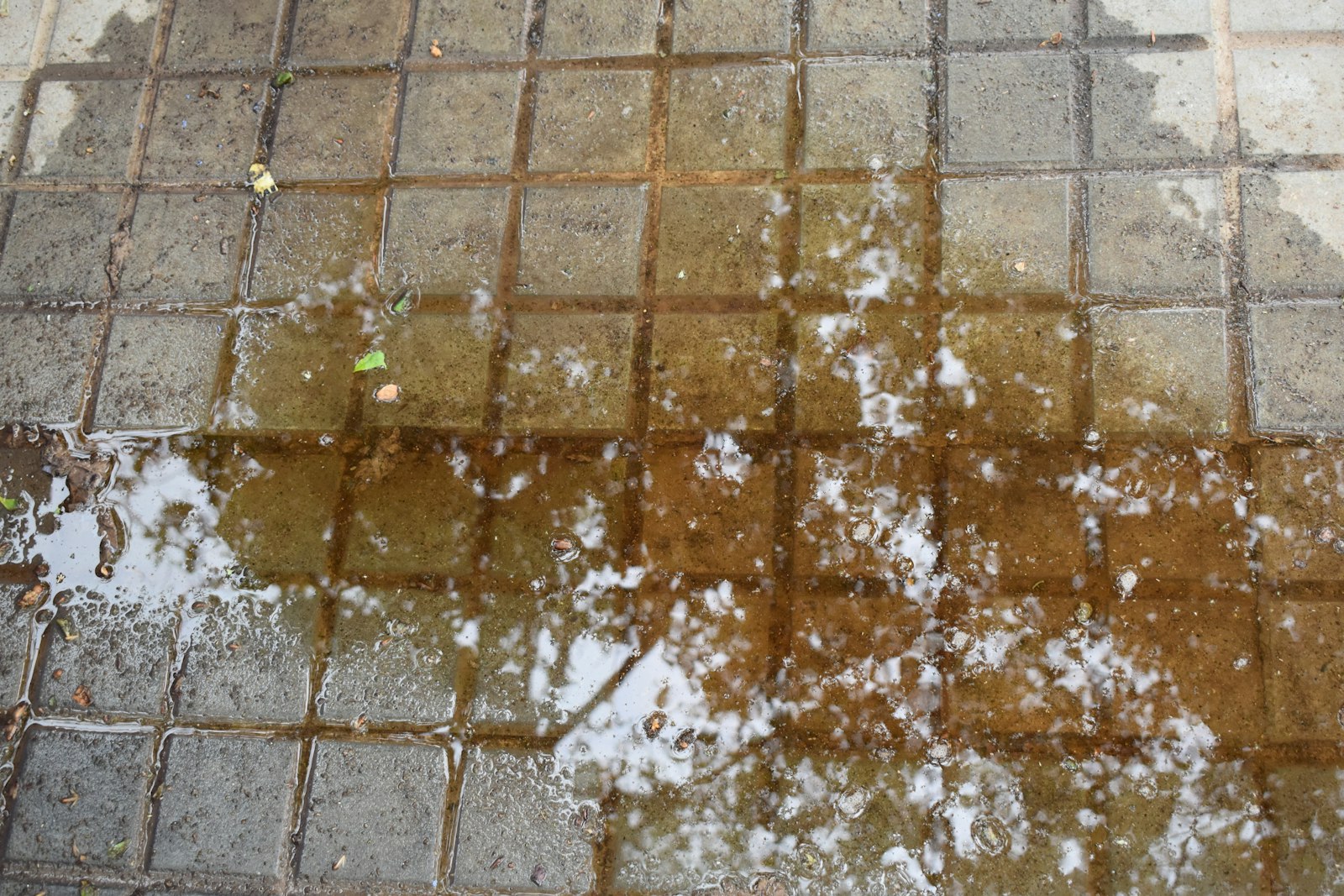
Water that comes back up a basement floor drain is a health risk, not just a mess.
Sewage Cleanup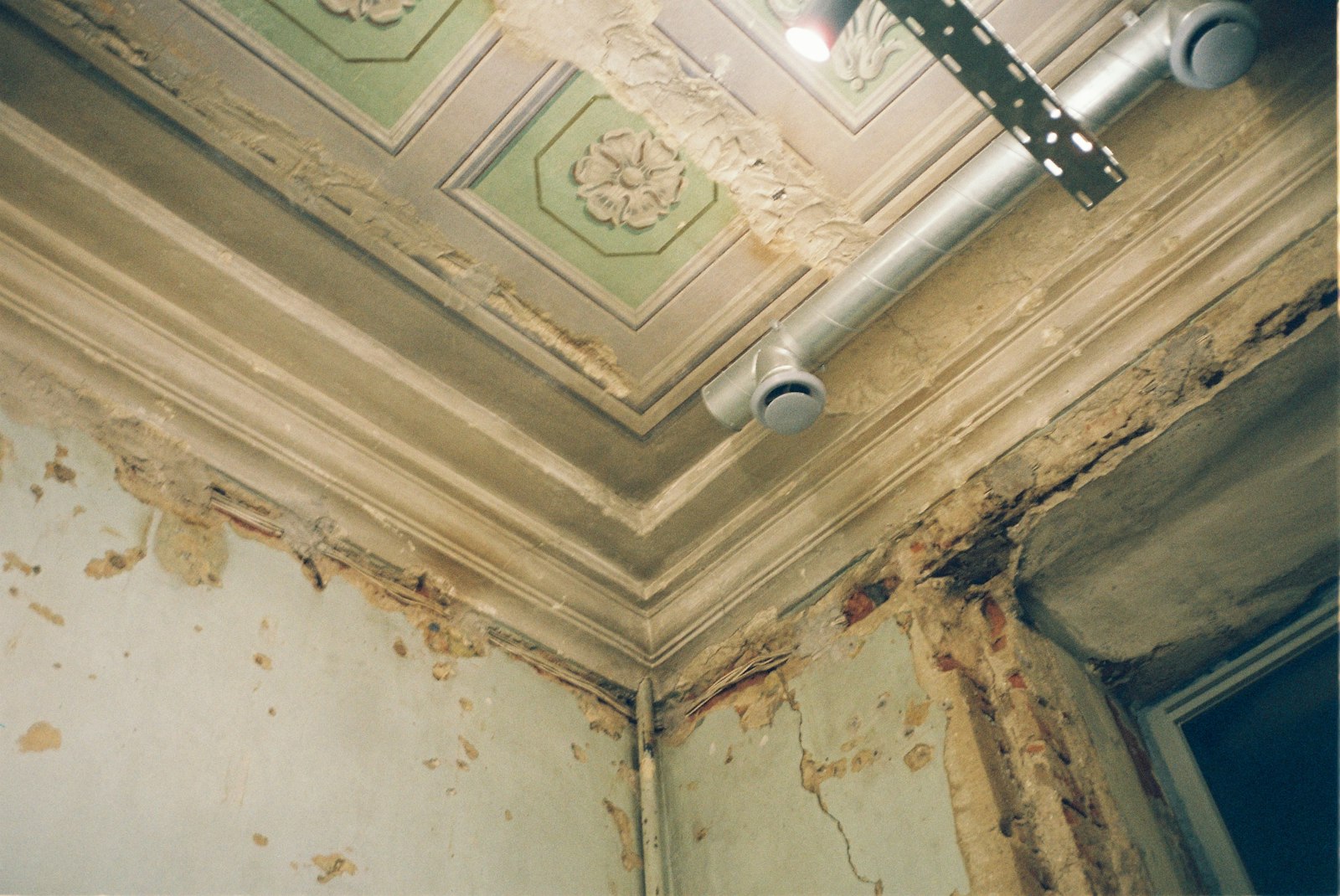
Wet carpet pad and drywall can start growing mold within a day or two of getting soaked.
Mold Remediation
Offices, clinics, restaurants and shops need the water out and the doors open again.
Commercial Restoration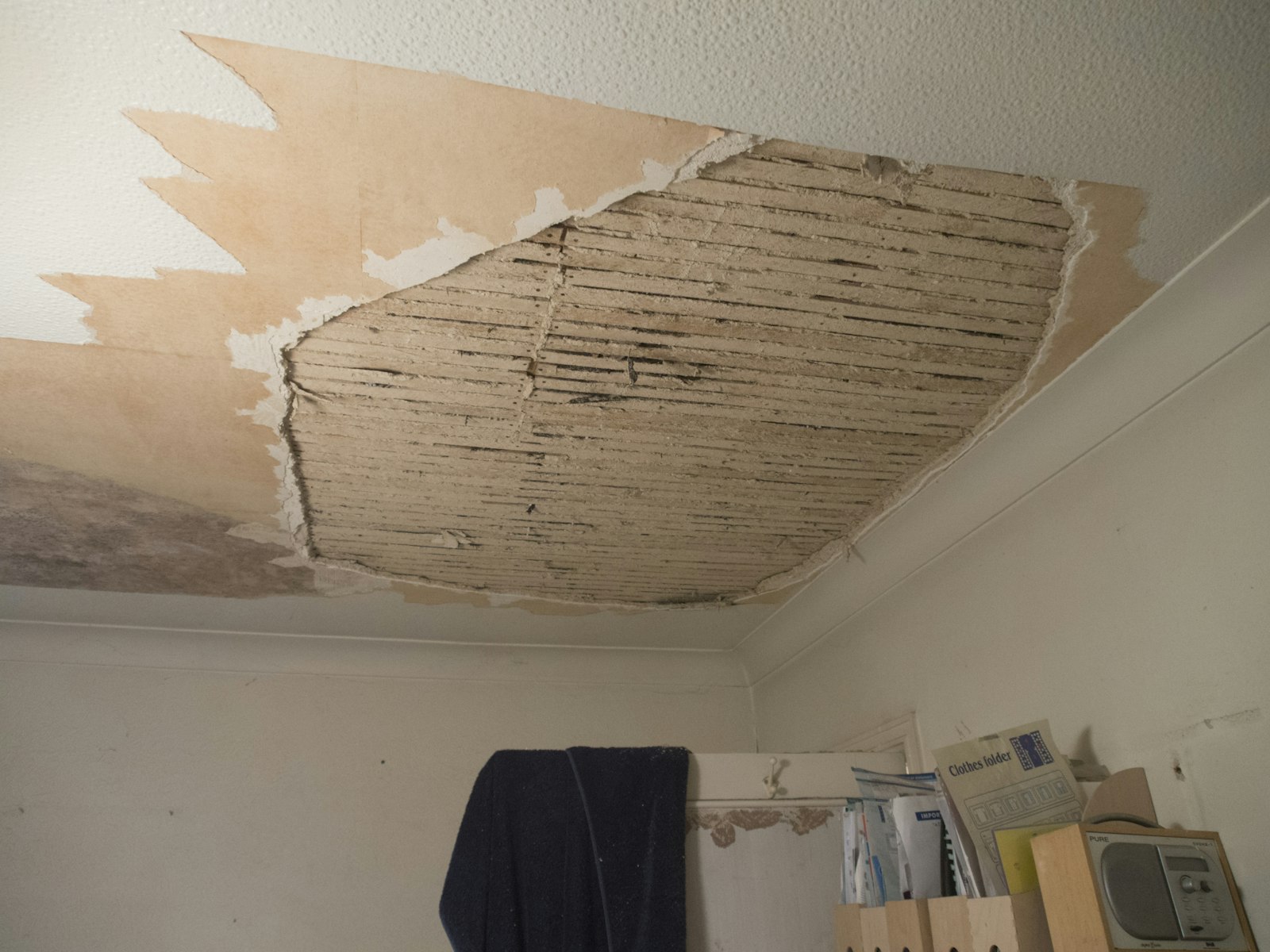
A hail-damaged roof or an ice dam soaks the attic insulation long before the ceiling stains.
Roof Leak Cleanup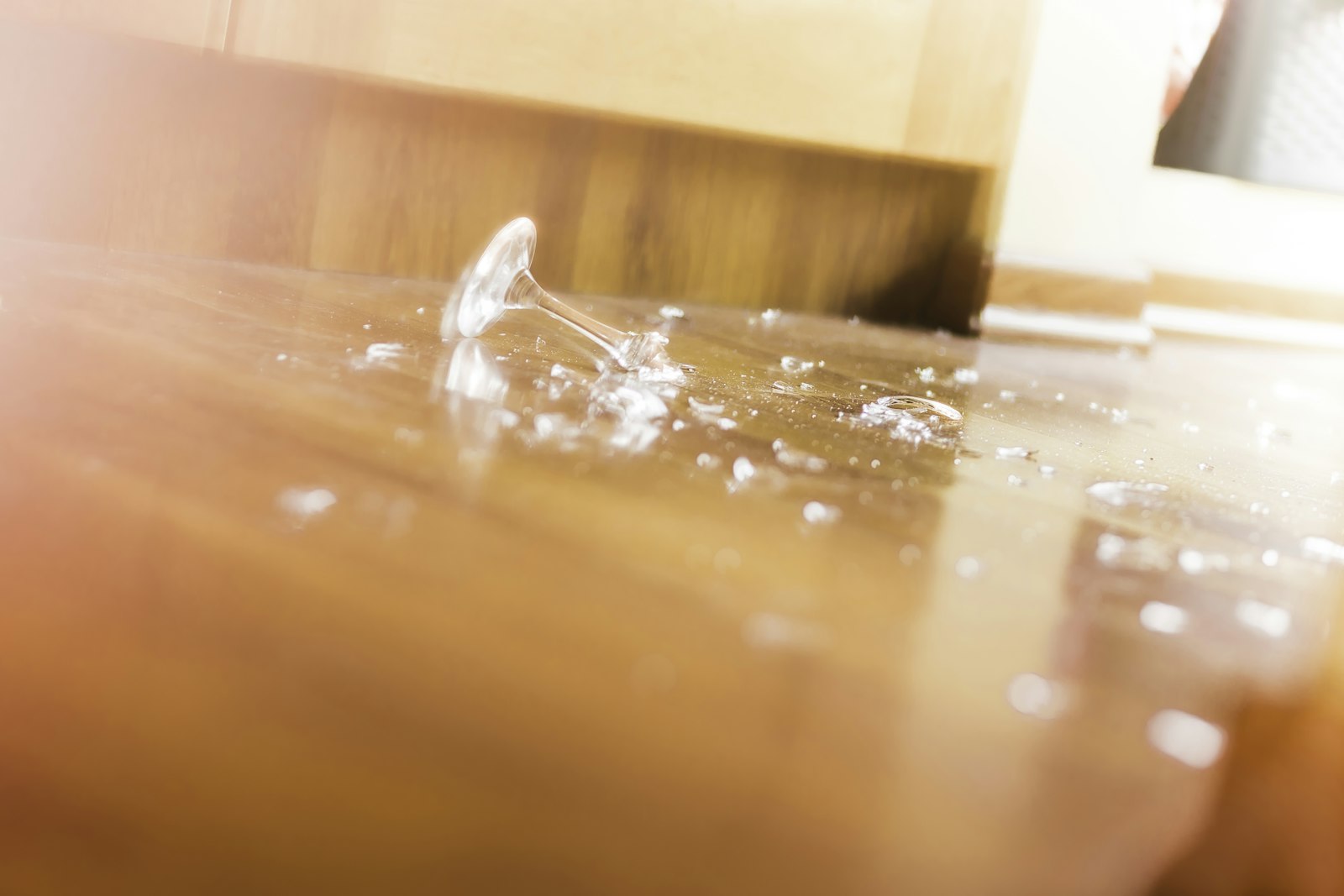
A washer hose, a dishwasher or a failed tank can empty into a room before anyone notices.
Appliance Leak CleanupWater runs under baseboards, along the subfloor and down through the floor system into the basement. Ask that the visit start with moisture readings, not with opening up the first wet spot.
Ask the independent provider to explain what can be dried in place, what has to come out and what the work costs before anything is removed. Where there is a real choice, ask about both sides.
Ask for readings, wet materials and the equipment in each room to be photographed as the job goes. That record is what an insurance adjuster asks you for later.
Most homes here have a basement or a crawl space, and plenty of those basements are finished. That changes where water ends up: it heads down a stairwell or through the floor system and soaks carpet pad, baseboards and the utility room instead of spreading across one level. Add sump pumps working through spring snowmelt, lines freezing in exterior walls during a hard cold snap, ice dams under heavy snow and a hail season that leaves roofs leaking, and you have most local water damage.
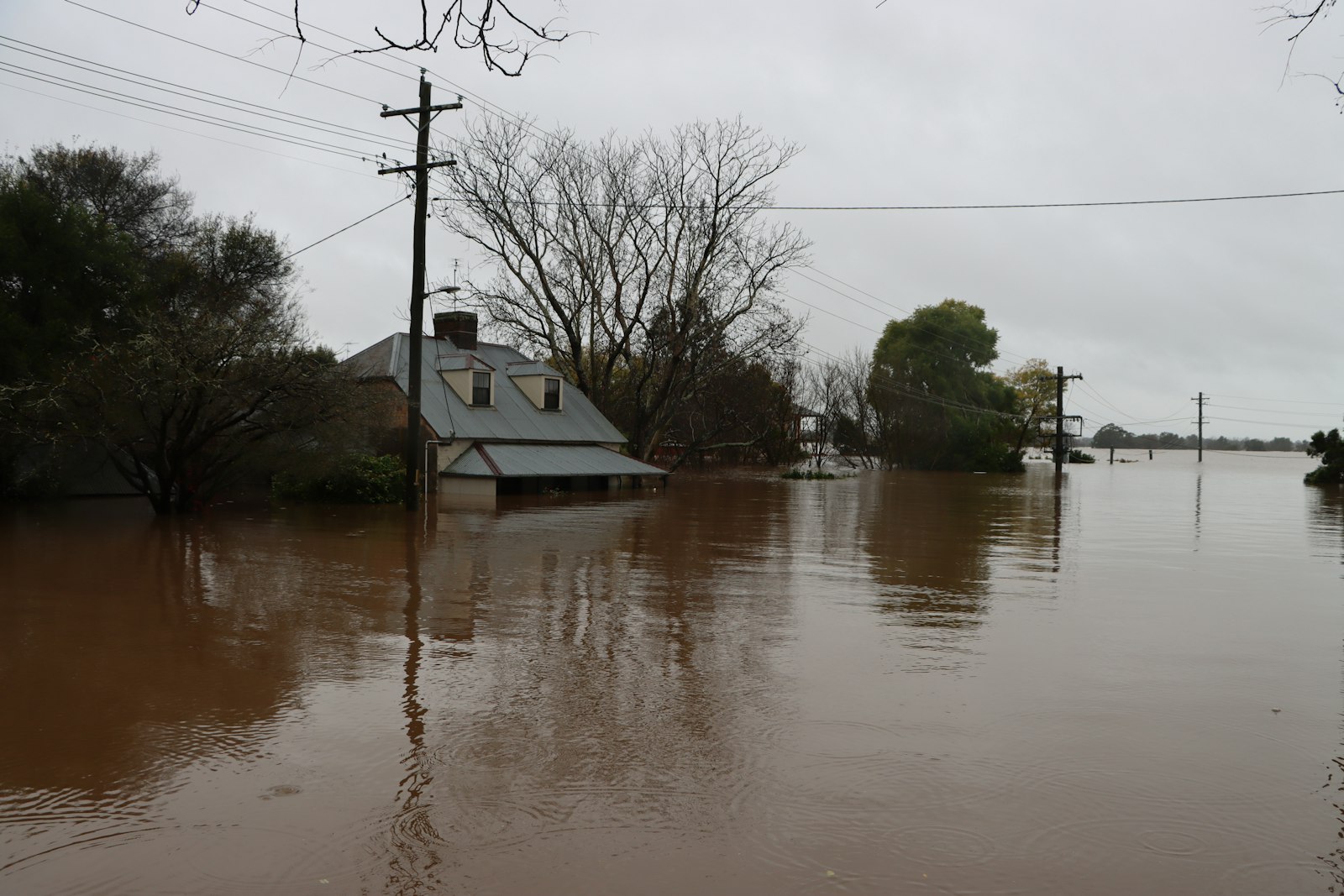
Seepage through a foundation wall, a window well filling in a downpour, or a sump pump that stopped. An independent provider can extract the water, lift the wet pad and dry the wall cavities before the smell sets in.
View cleanup guidanceA pipe in an exterior wall, a crawl space or an unheated bonus room can let go overnight and run until someone finds it. An independent provider can dry the structure and show you what the water reached.
View cleanup guidanceA brown ring under a bathroom or below the roofline means water has already been moving for a while. Photograph it, then have the source found before the drywall gives way.
View cleanup guidanceAnything that backs up out of a drain line is a health risk. Keep people and pets out of the room, leave the heating and cooling system off and let a qualified provider handle the cleanup.
View cleanup guidance
A fan on damp carpet dries the surface and leaves the pad and subfloor wet underneath. Proper drying pulls the moisture out of the materials, not just the room air.
View cleanup guidanceDamp drywall, insulation and cabinet bases can start growing mold within a day or two. The moisture source is fixed first, then the growth is contained and removed.
View cleanup guidanceTell the provider where the water is coming from, how long it has been running and whether it has reached a finished room. That decides what equipment is needed.
The first job on site is shutting the water off if it is still running, then pulling standing water out of the lowest rooms with extraction equipment.
Air movers and dehumidifiers are placed against the wet materials, and moisture readings are taken on return visits until the readings match dry parts of the house.
Once the structure is dry, ask the independent provider to explain what has to be rebuilt and confirm the price before the room is put back together.
Up on the Palmer Divide, where snow lingers and pipes in unheated spaces freeze first.
View Monument service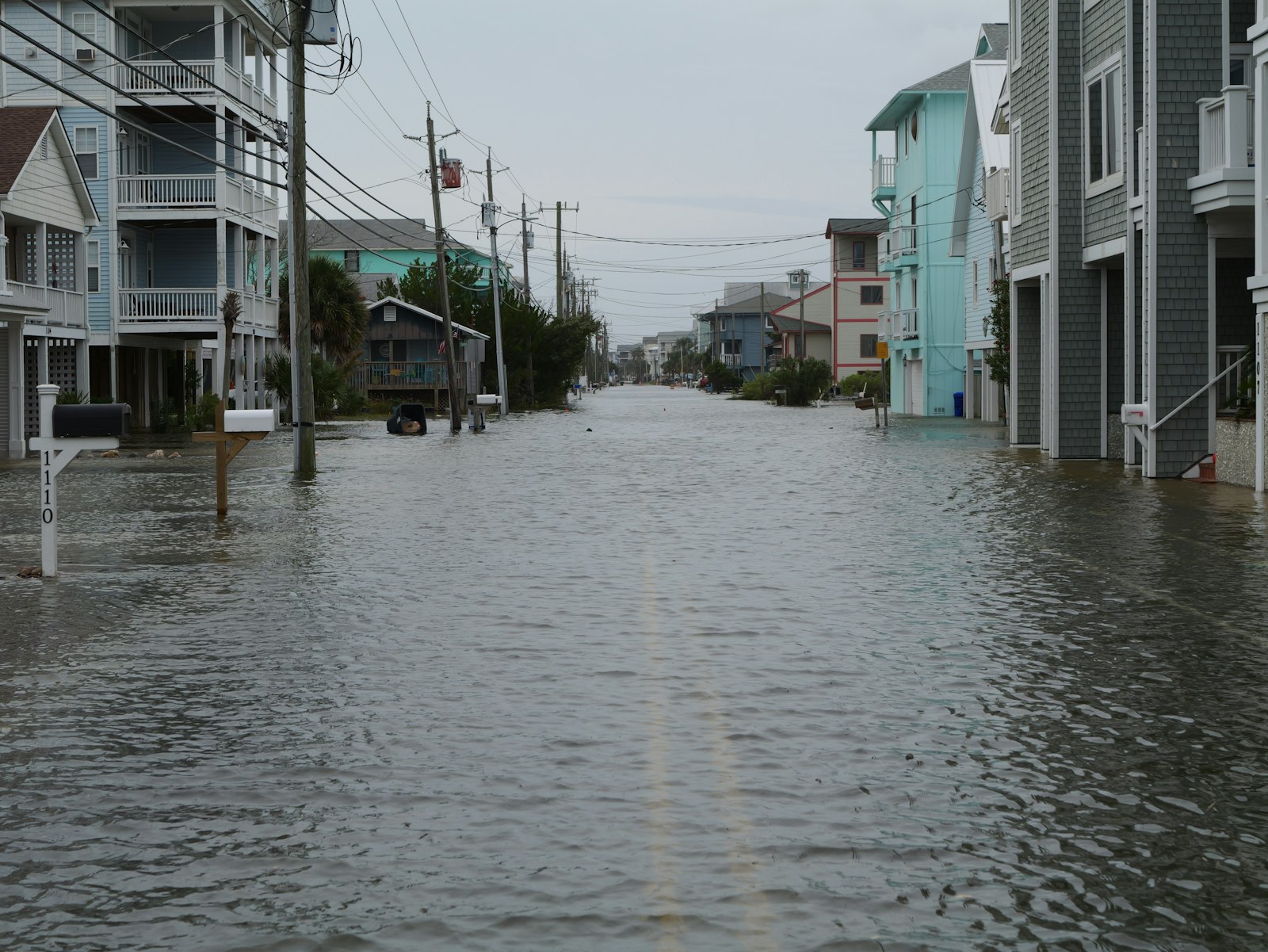
Close to Fountain Creek, where heavy runoff and storm drainage show up in basements.
View Fountain service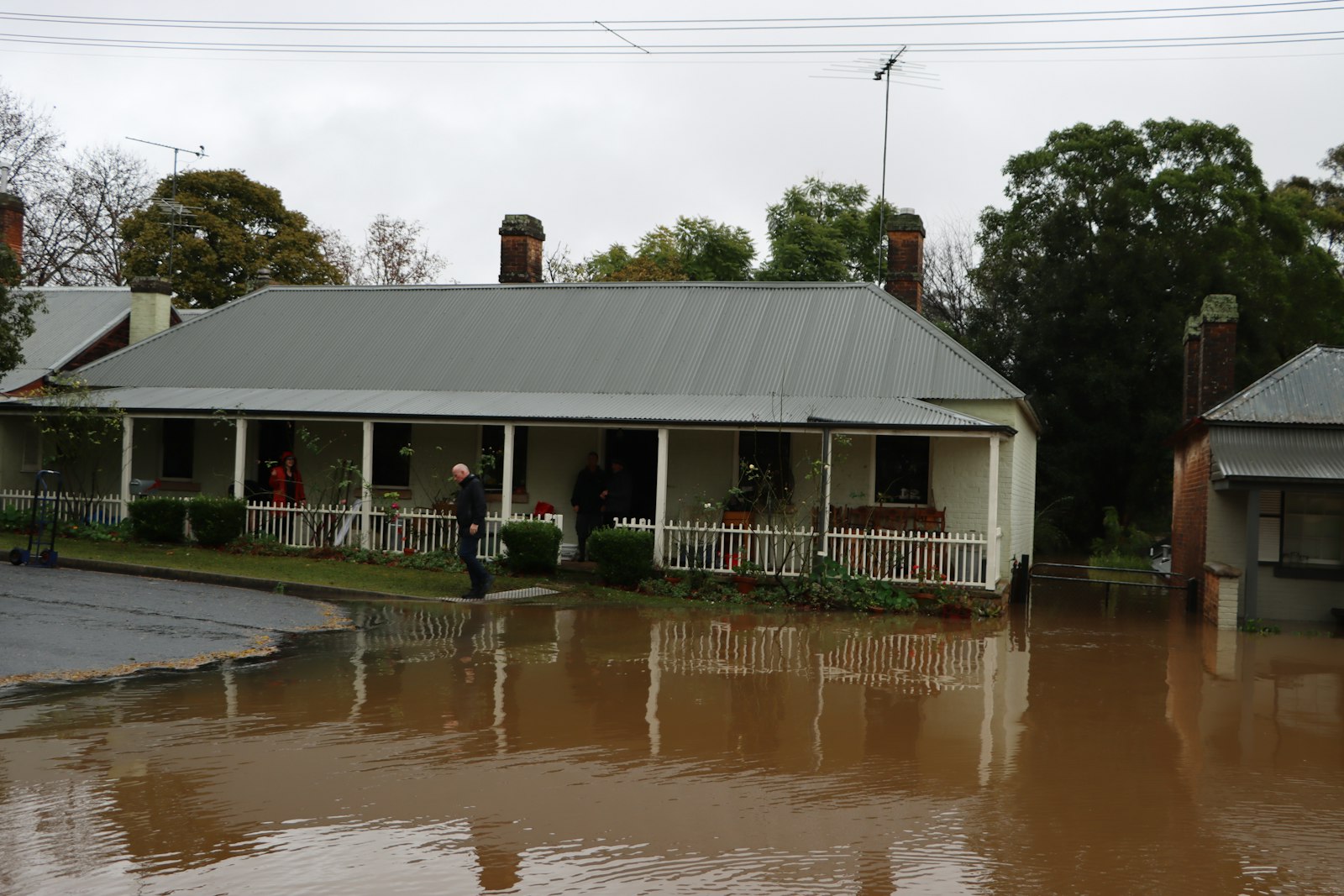
A canyon town with a real flood history and older houses packed onto tight lots.
View Manitou Springs serviceWooded acreage, wells and septic systems, and long driveways that affect provider access.
View Black Forest service
Higher, colder and snowier than the city, so frozen lines are a winter regular.
View Woodland Park serviceSouth of the city along Fountain Creek, with many single-story homes over crawl spaces.
View Security-Widefield service
Newer subdivisions on the eastern plains, many with finished basements below grade.
View Falcon serviceNorth-side subdivisions from the 1980s to the 2000s, most with finished basements below.
View Briargate serviceFlat, open ground on the east side near Peterson, with plenty of hail exposure.
View Cimarron Hills serviceCall Colorado Springs Flood Restoration to be connected with an independent provider; availability depends on the provider and the property location. Give the address and say what level the water is on. See how a visit is run.
There is no single set price. The price follows the size of the wet area, how long the water sat, whether it was clean or contaminated and how much material has to be removed; ask the independent provider to confirm it before work starts. See what gets dried and what gets replaced.
Stop the water if you can reach the shutoff safely, then call for restoration help; extraction and drying are the urgent part, and a plumber or roofer handles the source afterwards. Calling Colorado Springs Flood Restoration connects you with an independent provider. See emergency water extraction.
Not if outlets, cords, the furnace or the electrical panel are in or near the water. Stay out, keep children and pets away and let a qualified provider make it safe. Read what happens on the first visit.
Several days is normal, and the readings decide it rather than the calendar: equipment stays until the wet materials match the dry parts of the same house. Ask the independent provider for a range once the first readings are taken. See how structural drying works.
Clean water caught early often dries in place, while contaminated water or days of saturation usually means carpet pad, insulation and swollen board come out. An independent provider can explain which one your house is before cutting anything. Compare drying and replacement.
Given wet material and normal indoor temperatures, growth can start within a day or two, which is why drying is treated as urgent rather than scheduled for next week. See mold remediation after water damage.
Close the main shutoff, stay out of standing water near electricity, photograph what you can see safely and call for help. Calling Colorado Springs Flood Restoration connects you with an independent provider to dry what the water reached. See burst pipe and leak cleanup.
Policies generally treat a sudden escape of water differently from long-running leaks and from water that arrives from outside, so read yours or ask your agent. Ask the independent provider to document the loss either way. Read the insurance claim basics.
Call to be connected with an independent provider serving Colorado Springs and nearby towns; availability depends on the provider and the property location. See how calls work.
Call and describe where the water is and how long it has run so a provider can assess the job.