Water Damage Insurance Claim Basics
Nobody reads their policy until the basement is wet. Colorado Springs Flood Restoration explains what to document, what adjusters normally ask for and where water claims tend to get complicated.
- Restoration Referrals
- Independent Pros
- Drying & Repairs
By Colorado Springs Flood Restoration · Updated September 2026
Document First, Clean Second
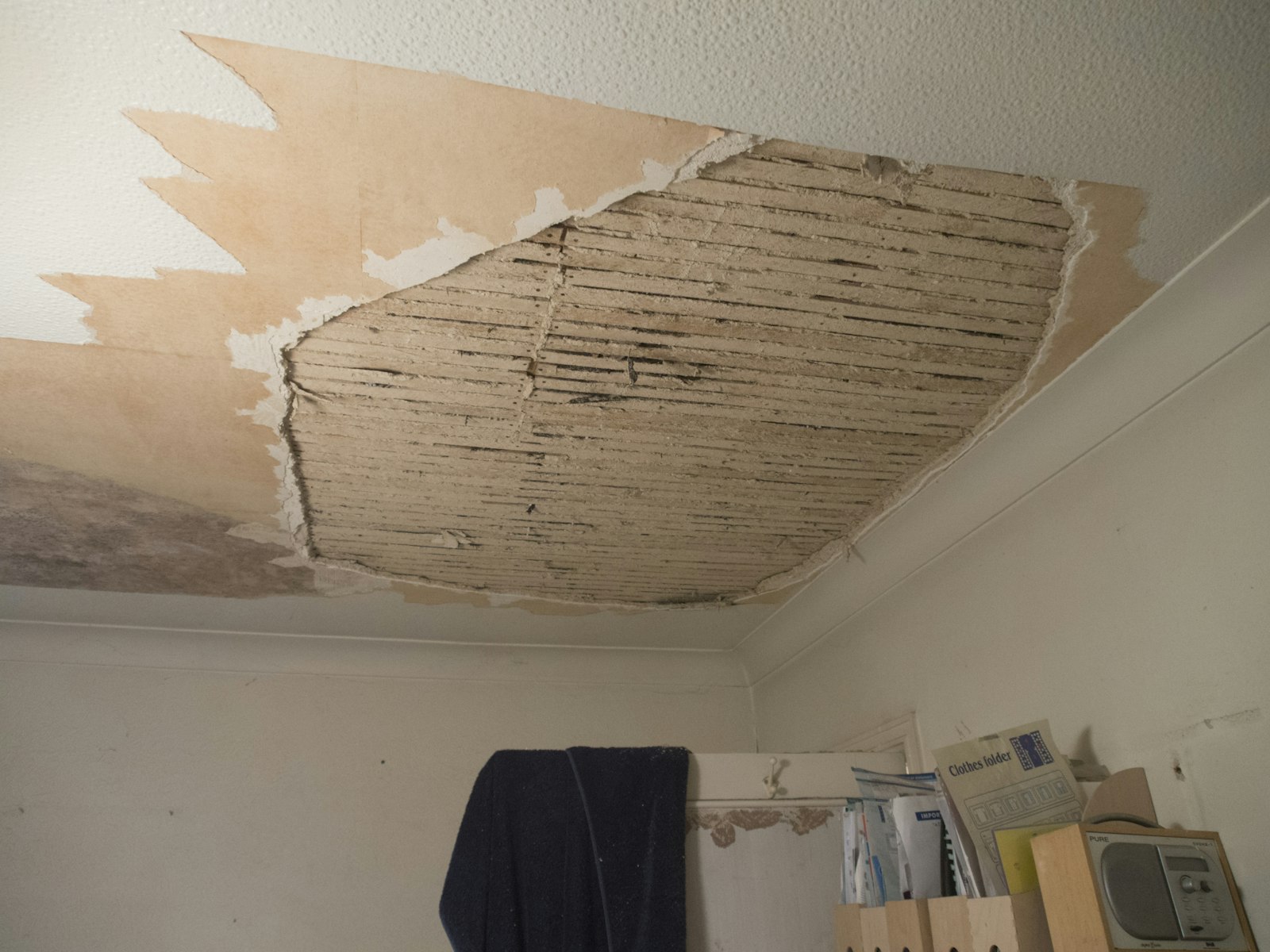
The record you build in the first hour is worth more than anything you do later. Photograph every affected room wide, then close up on the wet flooring, the ceiling, the failed component and the damaged contents. Record the date and time you found the water and when it was stopped. Keep any part that failed, such as a burst section of pipe or a split supply hose.
Make a list of damaged contents as you go, with rough ages and any receipts you still have. Once wet material is bagged and gone, it cannot be photographed.
Report It, Then Limit the Damage
Most policies expect you to report a loss promptly and to take reasonable steps to stop it getting worse. That second part is why emergency extraction and drying normally start before an adjuster has been anywhere near the property; waiting several days so nothing gets touched usually hurts a claim rather than helping it.
Keep the paperwork from that emergency work. A written scope, daily moisture readings and photographs of the equipment in place show what was done and why.
Sudden Failures Versus Long-Running Leaks
Policies generally treat a sudden, accidental escape of water differently from damage that built up over months. A line that split overnight is a different conversation from a slow leak under a sink that rotted the cabinet base over two years. That is one more reason to act on early signs rather than watch a stain for a season.
Water that arrives from outside, such as surface runoff or a creek, is also treated differently from water that escapes inside the house. Read your own policy or ask your agent what it covers before you need to know.
What the Adjuster Usually Wants
Expect to be asked for the cause and date of loss, photographs from before cleanup began, the restoration scope of work, moisture readings, an inventory of damaged contents and any invoices. If a plumber repaired the source, their invoice describing what failed is useful too.
Be straightforward about what you know and what you do not. If the house was empty for two weeks, say so. Guessing at a cause you are unsure of creates problems later.
Where Claims Get Complicated
The common snags are simple ones: no photographs from before the cleanup, material thrown out without a record, a delay between finding the water and doing anything about it, and confusion over who is responsible in a rental or a shared building. None of that is about the size of the damage.
No contractor can promise how a claim will be decided; that is between you and your insurer. What a restoration company can do is document the loss properly and give you a scope and readings that make the claim easy to follow.
Local Notes for Colorado Springs Property Owners
Two local causes come up constantly. The first is frozen and split lines during hard cold snaps, especially in houses left empty while owners travel; the holiday cold snap in December 2022 produced a wave of them across the Front Range. Insurers often ask whether heat was left on, which is worth knowing before you go away.
The second is storm and melt water reaching lower levels through window wells, grading and floor drains during spring runoff and summer downpours. Those losses need particularly clear documentation of where the water entered. Homes on flat ground near the creek see this most; water damage restoration in Fountain covers that situation.
Arrange an Inspection
Ask the independent provider to document the job as it goes: photographs of the damage as found, the affected materials, daily moisture readings and a written scope. That is the record insurers ask for, whether or not a claim is filed.
Start with emergency water extraction if water is still standing, read the dry and restore versus replace guide before approving a scope, and request a visit when you are ready.