Does Renters Insurance Cover Basement Flooding? CO Springs
Does renters insurance cover basement flooding? In Colorado Springs, it depends on where the water came from. A sudden burst pipe or a leak from upstairs may be covered for your belongings, while flooding from rain is typically excluded. Check your policy, tell your landlord, document everything and call to be connected with a local provider.
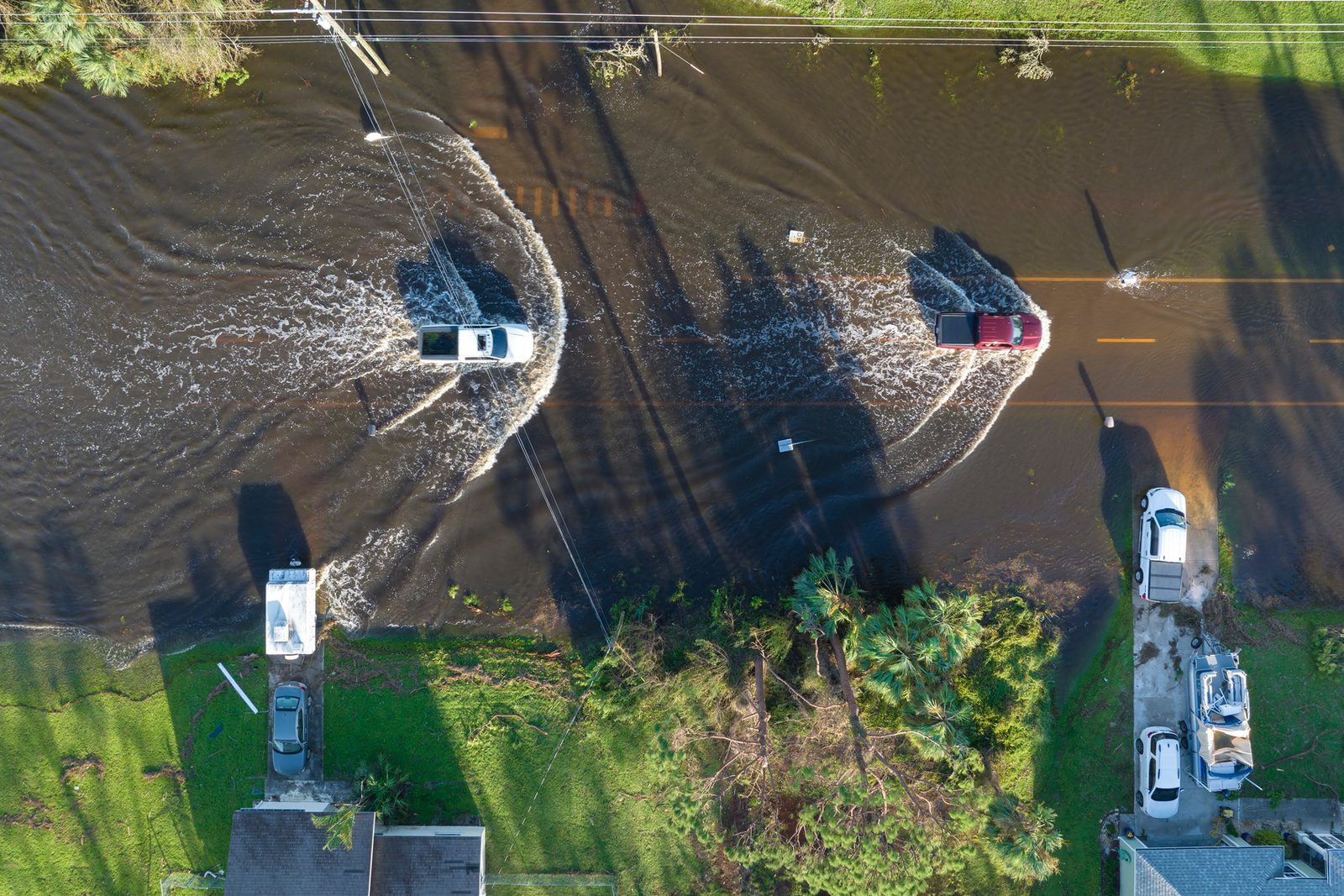
- The Colorado Division of Insurance says renters policies may cover water damage from an interior broken pipe or a leak from an upstairs neighbor's unit.
- The same agency says flooding from rain or from broken outdoor sprinklers or irrigation systems is typically excluded.
- Homeowners and renters insurance does not cover flood losses, per the Division of Insurance. Flood insurance is a separate NFIP policy.
- FEMA says an NFIP flood policy typically has a 30-day waiting period before it takes effect.
- Your renters policy covers your things. The building itself is usually the landlord's responsibility and the landlord's policy.
Does renters insurance cover basement flooding in Colorado Springs?
Renters insurance in Colorado Springs may cover basement flooding when the water comes from a sudden event inside the building, like a burst pipe or a leak from an upstairs unit. It typically does not cover flooding from rain or rising surface water. The cause decides the answer.
The Colorado Division of Insurance says homeowners and renters policies may cover water damage from an interior broken pipe or a leak from an upstairs neighbor's unit. It also says flooding from rain, or from broken outdoor sprinklers or irrigation systems, is typically excluded. Every policy is different, so read yours and ask your agent before you assume anything.
What does a renters policy actually protect in a basement unit?
A renters policy mainly protects your personal property, such as furniture, clothes, electronics and stored boxes. It usually does not pay to fix the walls, floors or carpet that belong to the landlord. Many policies also include liability coverage and help with temporary housing.
That temporary housing piece matters in a basement apartment. The Colorado Division of Insurance says that if burst-pipe damage makes a home uninhabitable, Additional Living Expenses (ALE) could be claimed for a hotel or other temporary housing, and it advises keeping receipts. ALE depends on the policy, so confirm it with your insurer.
Why does the source of the water matter so much?
Insurers sort water damage by cause, and each cause is handled differently. Sudden water from inside the building is treated one way, slow leaks another, outside flooding another, and sewer or drain backup yet another. Two basements with the same wet carpet can get very different answers.
- Sudden interior water, like a split supply line, is the type policies most often address.
- Gradual leaks that went on for weeks are often treated differently from sudden damage.
- Surface water from rain or snowmelt is a flood loss, which falls under separate flood insurance.
- Sewer or drain backup usually needs its own added coverage.
Write down what you saw first, when, and where the water entered. That timeline helps your insurer sort the claim.
Need help now? Call to be connected with a local provider in Colorado Springs who can check availability for your address.
Is sewer or drain backup covered for renters?
Sewer or drain backup is often not part of a basic policy. The Colorado Division of Insurance names sewer backup coverage, along with flood and earthquake coverage, as additional coverage you may need to buy. Ask your agent whether your renters policy has a water backup add-on.
In Colorado Springs, Colorado Springs Utilities says customers are responsible for the four-inch wastewater service line between its main and the home. For a rental, that line belongs to the property owner, so a clog there is a landlord conversation. A backup also brings dirty water, so stay out of it and read about sewage backup cleanup before touching anything.
Do renters in Colorado Springs need separate flood insurance?
Renters who want protection from outside flooding need a separate flood policy, because the Colorado Division of Insurance says homeowners and renters insurance does not cover flood losses. Flood insurance comes through the National Flood Insurance Program (NFIP), and renters can ask about contents coverage for their belongings.
Timing matters. FEMA says an NFIP policy typically has a 30-day waiting period before it takes effect, with some exceptions. Buying it after a storm is already in the forecast usually will not help that storm. If you rent a basement or garden-level unit, ask about flood coverage when you sign or renew your lease, not after the water arrives.
Who pays for what after a basement flood: renter or landlord?
In most rentals, the landlord handles the building and the renter handles personal belongings. The landlord's insurance and repair budget usually cover drywall, flooring, cabinets and drying the structure. Your renters policy, if it applies, covers your things and possibly temporary housing.
Your lease may spell out more, so read it. Tell the landlord or property manager right away, in writing, and keep a copy. Do not hire anyone to tear out walls or flooring without the owner's approval, because the building is not yours. You can still protect your belongings by moving them to a dry room and taking photos first.
What should you do right after your basement apartment floods?
Start with safety, then document, then report. Stay out of water near outlets, cords or a breaker panel. If the water is from a pipe and you know where the shutoff is, turn it off.
- Take photos and video of the water, the source and every damaged item before moving anything.
- Tell your landlord or property manager in writing.
- Call your insurer as soon as possible. The Colorado Division of Insurance advises taking steps to prevent further damage and getting the insurer's instructions before making repairs.
- Make a list of damaged items. Keep damaged items until the adjuster says you can throw them out.
- Keep receipts for anything you spend, including a hotel if the unit is not livable.
Drying matters too. Wet materials that stay wet for a day or two can start growing mold, which is why emergency water extraction often comes first.
Myths vs. facts about renters insurance and basement water
A few common beliefs lead renters to the wrong conclusion about basement water claims in Colorado Springs.
- Myth: Renters insurance covers any water in your unit. Fact: Rain flooding is typically excluded, and flood losses need a separate policy.
- Myth: The landlord's policy covers your things. Fact: The landlord's policy is usually for the building, not your belongings.
- Myth: You can buy flood coverage the day a storm hits. Fact: FEMA says NFIP policies typically have a 30-day waiting period.
- Myth: Sewer backup is the same as a burst pipe. Fact: Sewer backup is usually separate, added coverage.
What happens during the visit from a water damage provider?
A local water damage provider starts with an inspection. They look for the water source, check how far moisture spread into walls and floors with meters, and note what can be dried and what may need removal.
Next, they explain your options in plain words and give a written quote before any work begins. In a rental, the landlord usually approves work on the structure, so include them in the conversation. The provider's photos and moisture notes can also help your insurer. To learn more, see water damage insurance claim basics. Call (719) 219-6435 to be connected with a local provider.
What makes basement water risk different in Colorado Springs?
Colorado Springs gets a long cold season and a long storm season, so basement water can come from either direction. NWS Pueblo lists the city's mean date of first fall freeze as October 2nd and its mean date of last spring freeze as May 8th, which means months of frozen pipe risk.
- Colorado Springs Utilities advises setting the thermostat at 55 degrees when away instead of turning the heat off, because turning it off can lead to frozen or broken pipes. Renters leaving for a trip should follow that advice.
- Colorado State University's climate assessment says nearly all of Colorado's thunderstorm hazards happen between March and October, peaking in early June, with most impacts on the Front Range and eastern Plains.
- Colorado Springs Utilities says the law does not hold it liable for backup damage caused by an Act of Nature, including severe storms and flooding.
Renters in Fountain, Security-Widefield, Briargate and Monument face the same mix of freeze and storm risk. For neighborhood details, see water damage help in Security-Widefield. If your basement unit is wet now, call (719) 219-6435 to be connected with a local provider.
Related pages
Questions people ask
Does renters insurance cover basement flooding?
It depends on the cause. Renters policies may cover belongings damaged by a sudden interior pipe break or an upstairs leak, but flooding from rain is typically excluded, according to the Colorado Division of Insurance.
Does renters insurance cover my stuff if my basement apartment floods from a burst pipe?
Often, yes. The Colorado Division of Insurance says burst pipes and the damage they cause to contents generally are covered under renters policies, but your policy terms decide.
Is rain water coming into my basement unit covered by renters insurance?
Usually not. The Colorado Division of Insurance says flooding from rain is typically excluded. Flood damage needs a separate flood policy.
Does renters insurance cover sewer backup in a basement?
Not always. Sewer backup is often added coverage you buy separately. Ask your agent whether your policy includes a water backup add-on.
Who pays for basement flood damage in a rental in Colorado Springs, me or my landlord?
The landlord usually handles the building, and you handle your belongings. Check your lease and tell the landlord in writing right away.
Can renters get flood insurance in Colorado?
Yes, flood insurance is available as a separate policy through the National Flood Insurance Program. Renters can ask about contents coverage for their belongings.
How long does it take for flood insurance to start?
FEMA says an NFIP policy typically has a 30-day waiting period before it takes effect. There are some exceptions, such as when a lender requires the policy.
Will renters insurance pay for a hotel if my basement apartment is flooded?
It might. The Colorado Division of Insurance says Additional Living Expenses could be claimed if burst-pipe damage makes a home uninhabitable. Keep every receipt.
Does my landlord's insurance cover my belongings after a flood?
Usually not. A landlord's policy is generally for the building. Your own renters policy is what may cover your personal property.
What should I do first if my basement apartment floods?
Stay away from water near electricity, shut off the water if it is a pipe and you know where the valve is, and take photos. Then tell your landlord and call your insurer.
Should I throw away wet things before the insurance adjuster comes?
No. Photograph everything and keep damaged items until your insurer says you can discard them. Move them somewhere dry if you can.
Is a slow leak in my basement covered by renters insurance?
Often not in the same way as sudden damage. Many policies treat gradual leaks differently, so check your policy and report the leak to your landlord early.
Does renters insurance cover water from a broken sprinkler line outside?
Typically not. The Colorado Division of Insurance says flooding from broken outdoor sprinklers or irrigation systems is typically excluded.
What if the upstairs neighbor's leak flooded my basement unit?
That may be covered. The Colorado Division of Insurance says renters policies may cover water damage from a leak in an upstairs neighbor's unit. Document it and report it.
Can I hire a water damage company myself as a renter?
You can ask a provider to look at the damage, but the landlord usually approves work on the building. Call to be connected with a local provider and include your landlord.
How fast should a flooded basement be dried?
As soon as possible. Drying wet materials in the first day or two lowers the chance of mold, so start water removal early.
How do I prevent frozen pipes in my Colorado Springs rental?
Keep the heat on. Colorado Springs Utilities advises setting the thermostat at 55 degrees when away instead of turning it off.
Who do I call about a flooded basement in Colorado Springs?
Tell your landlord and your insurer first. Then call (719) 219-6435 to be connected with a local water damage provider who can check availability for your address.
Talk to someone about your water damage problem
Call to be connected with a local provider who can check availability for your address and explain the next step.