Does Renters Insurance Cover Water Leak Damage? CO Springs
Does renters insurance cover water leak damage? In Colorado Springs, many renters policies may help with your belongings after a sudden leak, like a burst pipe or a split supply line, but slow leaks and outside flooding are often treated differently. Stop the water, tell your landlord, check your policy, document everything, and call <a href="tel:+17192196435">(719) 219-6435</a> to be connected with a local provider.
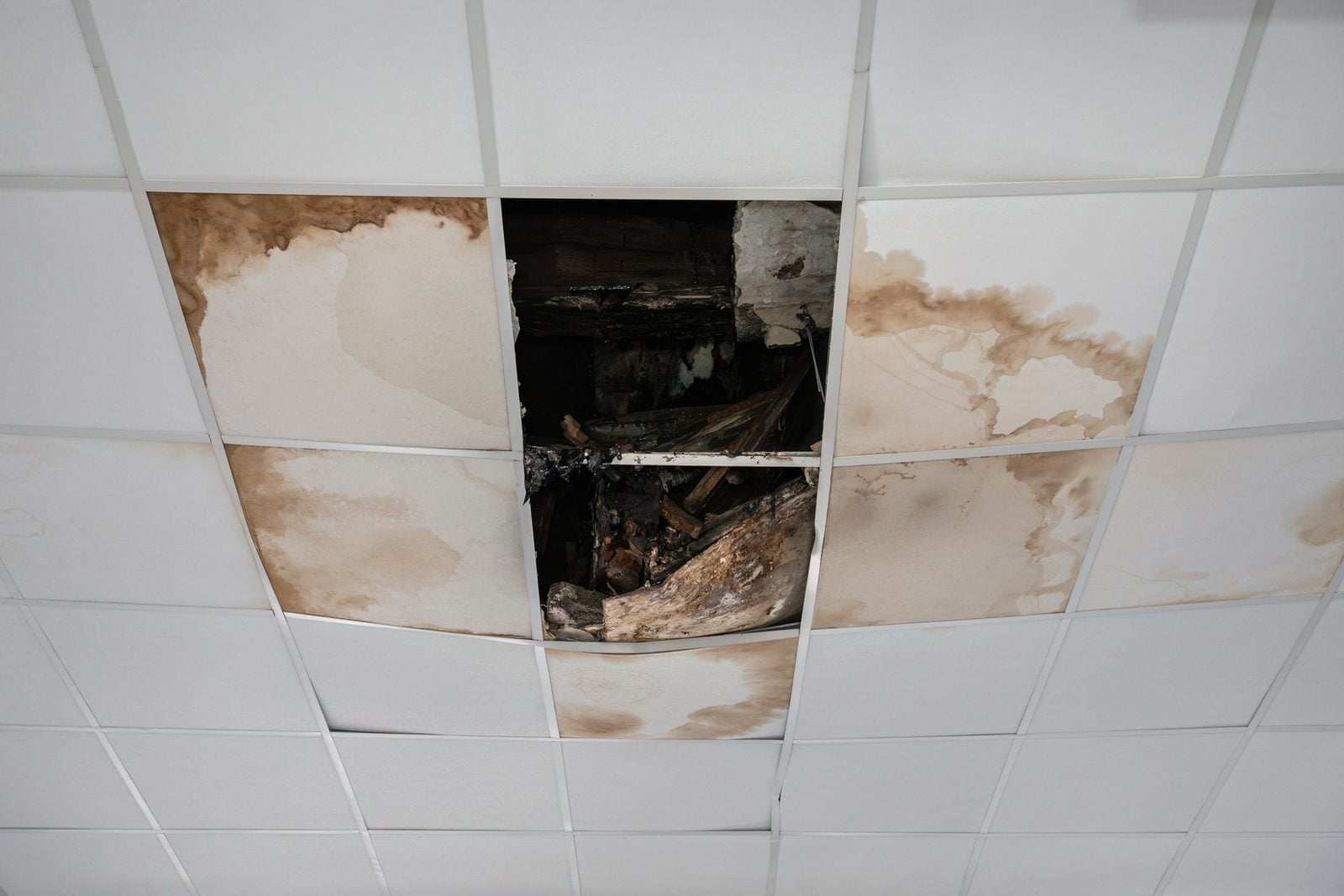
- Renters insurance is about your belongings and your liability. The building itself is usually the landlord's side of the claim.
- Many policies treat sudden damage differently from gradual leaks, so check your policy and document everything.
- The Colorado Division of Insurance says flooding from rain or broken outdoor sprinklers is typically excluded from homeowners and renters policies.
- Wet materials are generally dried in the first 24 to 48 hours to limit mold growth.
- A provider should inspect, explain your options and give a written quote before any work starts.
Does renters insurance cover water leak damage?
Renters insurance may cover water leak damage to your personal belongings when the leak is sudden and accidental, such as a pipe that bursts or a washer hose that splits. It usually does not pay to repair the building, and slow leaks, floods and lack of upkeep are common exclusions. Your own policy wording decides.
It helps to know what a renters policy is built to do. Most renters policies have three main parts:
- Personal property: your furniture, clothes, electronics and other things you own.
- Liability: help if something you did, or failed to do, damages someone else's property, like the unit below you.
- Loss of use or additional living expenses: help with a place to stay if the unit cannot be lived in for a while.
None of these parts pays to fix the walls, floors, cabinets or pipes your landlord owns. That is why a water leak in a rental often turns into two claims: yours for your things, and your landlord's for the building.
What should I do first when a water leak hits my rental?
Stop the water if you safely can, keep power and water apart, tell your landlord or property manager right away, and start taking photos. Then call your insurer to report the loss and ask what they need from you before anything is thrown out or repaired.
- Shut off the water. Most fixtures have a small valve under or behind them.
- Stay away from wet outlets and cords. If water is near the electrical panel or outlets, leave the power alone and call for help.
- Notify the landlord in writing. A text or email gives you a time stamp.
- Photograph and video everything before you move it, then move dry items out of the wet area.
- Report the loss to your insurer and write down the claim number and the name of anyone you speak with.
If the water is spreading or soaking into floors and walls, call (719) 219-6435 to be connected with a local provider who can look at the drying side of the job.
Why does it matter if the leak was sudden or slow?
Many policies treat sudden damage differently from gradual leaks. A pipe that bursts overnight is usually viewed as an accident, while a drip that soaked a cabinet base for months may be viewed as a maintenance issue. How long the water ran can matter as much as where it came from.
If you notice a soft floor, a musty smell under the sink or a growing stain, report it to your landlord in writing right away.
Need help now? Call to be connected with a local provider in Colorado Springs who can check availability for your address.
Who pays for a leak in a rental, me or my landlord?
In most rentals, the landlord's insurance and the landlord handle the building, and your renters insurance handles your belongings. Who is at fault can shift that, for example if a tenant left a tub running. Your lease and both policies set the details, so read them before you agree to pay for anything.
Here is how it often breaks down:
- Building parts like drywall, flooring, cabinets, pipes and the water heater usually fall to the landlord.
- Your belongings like a couch, a laptop or clothing usually fall to your renters policy, if the cause is one your policy includes.
- Damage you caused to the building or a neighbor's unit may fall under the liability part of your renters policy.
For more on how claims move along, see water damage insurance claim basics.
What if a leak in my apartment damaged the unit below?
If water from your unit damaged a neighbor's ceiling or belongings, the liability part of your renters policy may be the part that responds, depending on the cause and your policy terms. Tell your landlord and your insurer right away, and do not promise to pay anyone before your insurer weighs in.
Common sources of leaks that travel downstairs include a dishwasher or washing machine hose, a toilet supply line, an overflowing tub. The page on appliance leak water damage cleanup explains how those leaks spread under floors and into ceilings.
What should renters document after a water leak?
Document the source, the spread and every damaged item before anything is cleaned up or thrown away. Clear photos, short videos, a written list of damaged belongings and copies of every message with your landlord make a renters insurance claim much easier to explain.
- Wide photos of each room, then close-ups of the source and the water line.
- Photos of each damaged item, with brand and model labels where you can see them.
- Dates and times: when you noticed the leak, when you told the landlord, when you called the insurer.
- Receipts for any hotel, meals or storage if you had to leave the unit.
Ask your insurer before you throw out wet items. Some insurers want to see them first.
When is the leak more than a renter should clean up alone?
Call for help when water has soaked into carpet pad, drywall or the floor underneath, when it came from a sewer line or toilet with waste, when it is near electrical, or when it reached another unit. Those cases need moisture readings and proper drying, not just towels and a fan.
A leak that ran behind a wall or under a floor is different, because the hidden water can keep spreading and can lead to mold if it stays wet. The page on burst pipe and leak cleanup explains what proper drying involves.
As a renter, check with your landlord before you hire anyone, since the building is theirs. Many landlords will want to choose or approve the provider. If you cannot reach them and water is still spreading, call (719) 219-6435 to be connected with a local provider and keep a record of your attempts to reach the landlord.
What happens during the visit?
A local provider starts with an inspection, explains what they found and your options, and gives a written quote before any work begins. Nothing should start until you, and in a rental usually your landlord, understand the plan.
- Inspection: the provider finds the source, checks how far water spread with moisture meters, and looks at floors, walls, cabinets and the unit below if needed.
- Options explained: they explain what can be dried in place and what may need to come out, and why. Our guide on dry and restore vs. tear out and replace covers how that choice is made.
- Written quote: you get the scope in writing before work starts, which also helps with insurance paperwork.
What should Colorado Springs renters know about water leaks and insurance?
Colorado Springs has a long freeze season, and many rental leaks start with a pipe that froze. The Colorado Division of Insurance and Colorado Springs Utilities both publish guidance that renters can use.
- The Colorado Division of Insurance says burst pipes, and the water damage they cause to the property and its contents, "generally are covered" under homeowners and renters policies.
- The Division also says homeowners and renters policies may cover water damage from an interior broken pipe or a leak from an upstairs neighbor's unit, but flooding from rain or from broken outdoor sprinklers or irrigation systems is typically excluded.
- The Division says that if burst-pipe damage makes a home uninhabitable, Additional Living Expenses could be claimed to cover a hotel or other temporary housing, and it advises keeping receipts.
- The Division advises contacting your insurer as soon as possible, taking steps to prevent further damage, and getting the insurer's instructions before making repairs.
- NWS Pueblo lists Colorado Springs' mean date of first fall freeze as October 2nd and its mean date of last spring freeze as May 8th.
- Colorado Springs Utilities advises setting the thermostat at 55 degrees when away instead of turning the heat off, and on extremely cold days suggests running a continuous stream of water "about the diameter of a pencil."
Renters in apartments around Briargate, condos in Security-Widefield and older rentals in Manitou Springs and Fountain all face the same winter risk. For local details, see water damage restoration in Briargate. If water is leaking in your rental now, call (719) 219-6435 to be connected with a local provider.
Related pages
Questions people ask
Does renters insurance cover water leak damage?
It may cover your belongings when the leak is sudden and accidental, like a burst pipe. Slow leaks, floods and repairs to the building itself are usually treated differently, so check your policy and document everything.
Does renters insurance cover water damage from a leaking pipe in the wall?
Often it can help with your damaged belongings if the pipe failed suddenly. The pipe and the wall belong to your landlord, so the building repair usually goes through the landlord's side.
Is a slow drip under my kitchen sink covered by renters insurance?
Usually it is harder to get covered, because many policies treat gradual leaks as a maintenance issue. Report any drip to your landlord in writing as soon as you see it.
Does renters insurance cover a leaking water heater in my apartment?
It may help with your belongings if the tank failed suddenly. The water heater itself belongs to the landlord, so its repair or replacement is usually the landlord's responsibility.
My washing machine hose burst and flooded the laundry room. Am I covered?
Many renters policies may help with your belongings after a sudden hose failure, and liability may matter if the water reached a neighbor. Check your policy, report it quickly and photograph everything.
Who is responsible for a leak in a rental, the landlord or the tenant?
Usually the landlord handles the building and the tenant handles their own belongings. Fault and the lease can change that, so read your lease and both insurance policies.
Does my landlord's insurance cover my stuff after a water leak?
Generally no. A landlord's policy is usually written for the building, and a tenant's belongings need the tenant's own renters policy.
Should I call my landlord or my renters insurance first after a leak?
Tell your landlord first so the source can be stopped and the building can be protected, then report the loss to your insurer. Doing both quickly and in writing is the safest approach.
Can I hire someone to dry my apartment after a leak without asking my landlord?
It is usually wise to get your landlord's approval first, since the building is theirs. If you cannot reach them and water is still spreading, call for help and keep a record of your attempts.
Does renters insurance cover a leak from my upstairs neighbor in Colorado?
The Colorado Division of Insurance says homeowners and renters policies may cover water damage from a leak from an upstairs neighbor's unit. Your own policy wording still decides, so check it and document the damage.
Is water from a broken outdoor sprinkler line covered by renters insurance in Colorado Springs?
Usually not. The Colorado Division of Insurance says flooding from broken outdoor sprinklers or irrigation systems is typically excluded from homeowners and renters policies.
Will renters insurance pay for a hotel if a leak makes my Colorado Springs apartment unlivable?
It may. The Colorado Division of Insurance says Additional Living Expenses could be claimed when burst-pipe damage makes a home uninhabitable, and it advises keeping receipts.
How long do I have to report water leak damage to my renters insurance?
Report it as soon as possible. Your policy sets the notice rules, and the Colorado Division of Insurance advises contacting your insurer as soon as possible after damage.
Can a water leak in my rental cause mold?
It can if materials stay wet. Wet materials are generally dried in the first 24 to 48 hours to limit mold growth, which is why fast drying matters.
Who do I call about water leak damage in my Colorado Springs rental?
Call (719) 219-6435 to be connected with a local provider who can inspect the damage and explain your options. Also notify your landlord and your insurer.
Talk to someone about your water damage problem
Call to be connected with a local provider who can check availability for your address and explain the next step.