Roof Leak Repair Cost in Colorado Springs
Roof leak repair cost in Colorado Springs depends less on the roof patch and more on how much water got inside. How long the leak ran, what it soaked, and how hard the area is to reach drive the total. Stop the water fast, document everything, and call to be connected with a local provider.
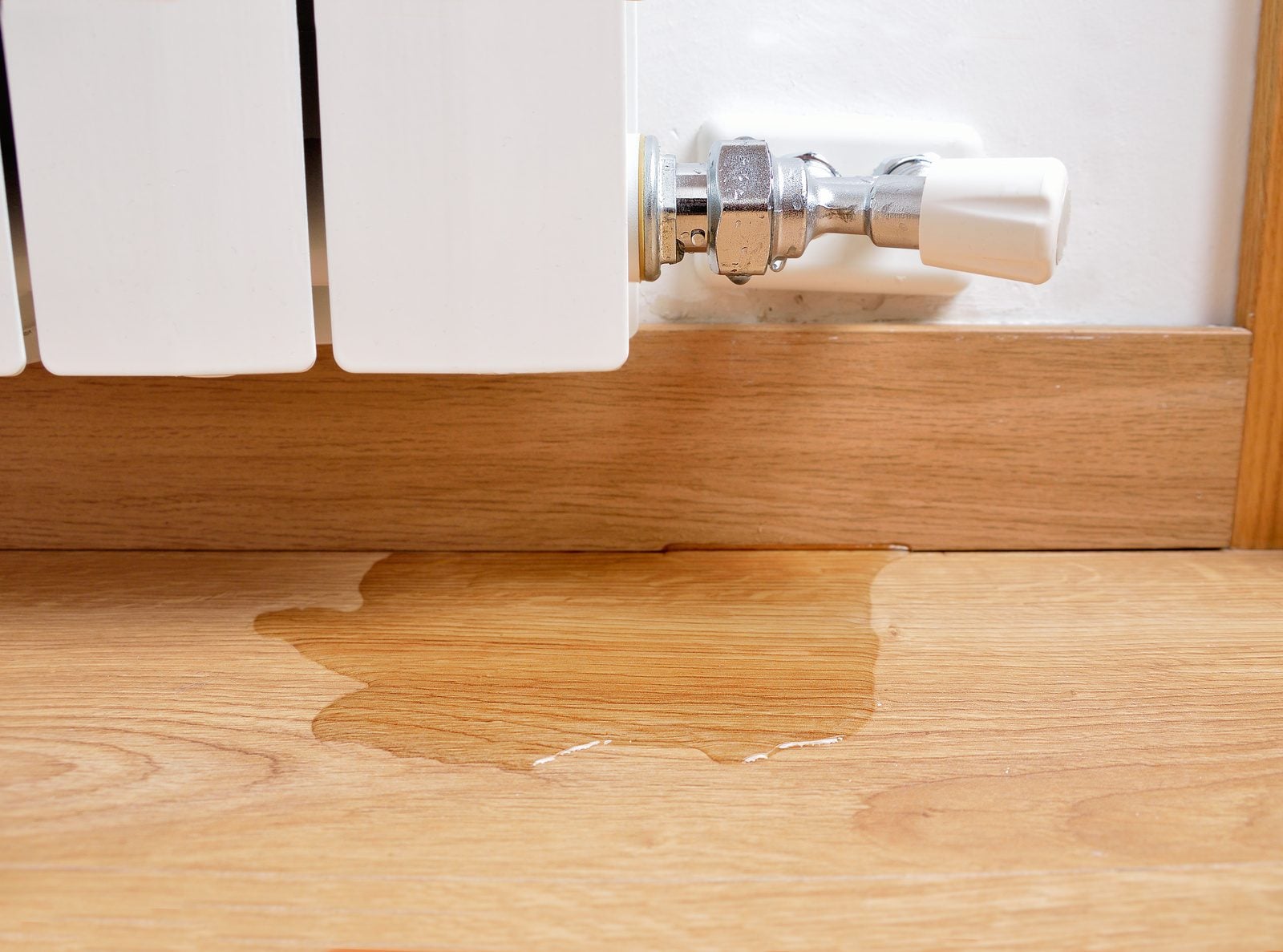
- A roof leak usually means two jobs: stopping the leak at the roof and drying or replacing what got wet inside.
- The longer water runs into insulation, drywall and flooring, the more material may need to come out.
- Wet materials are generally dried within 24 to 48 hours to limit mold growth.
- Steep roofs, high ceilings, tight attics and winter ice can all make the work harder to reach and plan.
- A provider should inspect, explain your options and give a written quote before any work starts.
How much does roof leak repair cost in Colorado Springs?
Roof leak repair cost in Colorado Springs has no single number, because every leak lets a different amount of water into a different part of the house. The total depends on the roof repair itself plus the cleanup inside, and the inside work is often the larger and less predictable part.
Think of it as two questions. First, what does it take to stop water at the roof surface? Second, what did that water touch on the way down?
Why does the inside damage often cost more than the roof fix?
Water travels. Once it gets past the roof, it spreads across the attic floor, soaks insulation, follows rafters and pools on top of drywall before it ever shows as a stain. The visible spot is usually the smallest part of the wet area.
That hidden spread is what drives cost. Drying equipment may need to run in several rooms, wet insulation may need to be pulled, and ceiling or wall sections may need to be opened to dry the cavity behind them. The page on roof and ceiling leak water damage covers what that cleanup involves. If you are still deciding whether the roof itself needs work, see roof leak repair in Colorado Springs.
How does the time a roof leak runs change the cost?
Time is the biggest cost driver you can control. A leak caught the same afternoon it starts usually means less wet material, a smaller drying area and fewer pieces to replace. A leak that drips quietly for weeks can mean saturated insulation, swollen drywall, stained framing and possible mold.
General water damage guidance is to dry wet materials within 24 to 48 hours to limit mold growth. Past that window, more material may need to be removed instead of dried in place.
Need help now? Call to be connected with a local provider in Colorado Springs who can check availability for your address.
Which wet materials push a roof leak repair cost higher?
What the water soaked matters as much as how much water there was. Some materials dry well in place. Others hold water and usually have to come out.
- Attic insulation: wet blown-in or batt insulation often packs down and loses its value, so it may need removal and replacement.
- Ceiling drywall and texture: sagging or soft drywall usually needs a section cut out, then patching, texture matching and paint.
- Wall cavities: water that runs inside a wall may require small openings or baseboard removal to dry.
- Flooring: carpet pad, laminate and some wood floors react badly to standing water.
For a closer look at when drying in place makes sense, read dry and restore vs. tear out and replace.
How do roof type and access affect the cost?
Anything that makes the leak harder to find or reach usually adds labor. A low, walkable roof with an easy attic hatch is simpler than a steep roof, a two-story home or a cathedral ceiling with no attic above it.
Roof material matters too. Asphalt shingles, tile, metal and low-slope roofs each fail in different ways and need different repair methods. Winter adds its own layer: snow cover and ice can delay a permanent roof repair, so a temporary cover or tarp may be needed first to protect the inside of the house.
Does the type of water and mold risk change the cost?
Yes. Rain coming straight through a roof usually starts as relatively clean water. But water that sits, picks up dirt and debris from the attic, or soaks materials for days can become dirtier and harder to clean, which can mean more removal and more cleaning steps.
Mold is the other factor. If materials stayed wet long enough for mold to grow, the job may include containment and removal before rebuilding. A provider can explain what they see and recommend structural drying, removal or both. This page does not give health advice; for health questions, talk with your doctor or follow public health agency guidance.
What can you do today to keep roof leak costs down?
Water damage that never spreads costs the least to fix. A few safe steps can limit how much material gets wet while you wait for help.
- Put buckets or towels under drips and move furniture, rugs and electronics out of the way.
- If water is near light fixtures, outlets or a ceiling fan, turn off that circuit at the breaker if you can do it safely, and stay out of standing water near electricity.
- Do not stand under a sagging, bulging ceiling. It can give way without warning.
- Take photos and video of the ceiling, attic and anything that got wet.
- Stay off a wet, snowy or icy roof. Falls are a serious risk, and a provider can arrange a temporary cover.
Then call (719) 219-6435 to be connected with a local provider who can check availability for your address.
How does insurance fit into the cost of a roof leak?
Insurance can affect what you pay, but only your policy and your insurer can say how. Many policies treat sudden damage differently from gradual leaks, so check your policy and document everything.
The Colorado Division of Insurance advises homeowners to contact their insurer as soon as possible after damage, to take steps to prevent further damage, and to get the insurer's instructions before making repairs.
What happens during the visit?
A visit starts with an inspection. The provider looks at the stain and the attic, traces where the water traveled, and uses moisture readings to find wet areas you cannot see. They may also look at the roof surface if it is safe to reach.
Next, they explain your options in plain terms: what can be dried in place, what likely needs to come out, and whether a temporary roof cover is needed first. You should get a written quote that lists the work before anything starts, so you know what each part of the job covers.
What makes roof leak costs different in Colorado Springs?
Colorado Springs roofs deal with hail, strong wind, heavy snow and a long freeze season, and each one can change how a leak starts and how much it costs to fix.
- Colorado State University's climate assessment says nearly all of Colorado's thunderstorm hazards (tornadoes, hail and damaging winds) happen between March and October, with a peak in early June, and that most impacts fall on the Front Range and eastern Plains.
- The same assessment says eastern Colorado is one of the world's "hot spots" for large hail, and that the Front Range from Fort Collins to Pueblo is prone to downslope windstorms that produce extreme gusts.
- Pikes Peak Regional Building Department design criteria set the ground snow load at 43 psf below 7000' and 57 psf at or above 7000'. Heavy snow sitting on a roof can feed meltwater into any weak spot.
- NWS Pueblo lists Colorado Springs' mean date of first fall freeze as October 2nd and its mean date of last spring freeze as May 8th, so many months bring melting by day and refreezing by night.
Homes in Monument, Black Forest, Falcon and Briargate see this same mix of storms and snow. For local details, see water damage restoration in Monument. If water is coming through your ceiling now, call (719) 219-6435 to be connected with a local provider.
Related pages
Questions people ask
How much does roof leak repair cost in Colorado Springs?
It depends on the job, so there is no honest single number. The total is driven by how long the leak ran, what got wet inside, and how hard the roof and attic are to reach.
Why can't anyone give me a price for my roof leak over the phone?
Because the hidden wet area is usually bigger than the stain you can see. A provider needs to inspect the attic and take moisture readings before they can quote the work honestly.
What usually costs more, fixing the roof or fixing the water damage inside?
In many homes the inside damage is the larger part. Wet insulation, drywall, flooring and drying equipment can add up quickly, especially when a leak ran for days before anyone noticed.
Will waiting a few weeks to fix my roof leak make it more expensive?
Very likely, yes. Each storm or snowmelt adds more water, and materials that stay wet past 24 to 48 hours are more likely to need removal instead of drying.
Why does a leak in the attic cost more to clean up than I expected?
Attic insulation soaks up water like a sponge and often has to be removed and replaced.
Is a roof leak more expensive to deal with in winter in Colorado Springs?
It can be. Snow and ice can delay a permanent roof repair, so a temporary cover may be needed first, and freeze and thaw cycles can keep feeding water into the attic.
Why would my ceiling drywall need to be cut out after a roof leak?
Drywall that sags, feels soft or stays wet usually cannot be saved, and opening it lets the space above dry properly. It is then patched, textured and painted to match.
Should I get a written quote before anyone starts working on roof leak damage?
Yes, always ask for a written quote before work begins. It should list what will be dried, what will be removed and what will be rebuilt, so nothing surprises you later.
What should I ask about a roof leak repair quote so I understand it?
Ask what areas are wet, what will be dried in place versus removed, whether a temporary roof cover is included, and what happens if more damage is found once walls are opened.
Can I tarp my own roof to stop the leak and save money?
It is risky, and it is not worth a fall. Wet, steep, snowy or icy roofs are dangerous, so stay on the ground and let a provider arrange a temporary cover.
How does homeowners insurance affect what I pay for a roof leak in Colorado?
Only your policy and insurer can answer that. Many policies treat sudden damage differently from gradual leaks, so check your policy, document everything and contact your insurer early.
What should I take pictures of after a roof leak?
Photograph the ceiling stain, any dripping or pooling water, the attic if you can reach it safely, and every item that got wet. Keep receipts for buckets, fans or anything you buy.
Does hail make roof leak repairs more complicated in Colorado Springs?
It can. Hail bruising and cracked shingles may create several small leak points instead of one, which takes more inspection to find before the inside damage can be fully mapped.
Is it dangerous if a roof leak is dripping near a light fixture?
Yes, water and electricity are a dangerous mix. Turn off that circuit at the breaker if you can safely reach it, avoid touching the fixture, and have an electrician check it before using it again.
Where do I start if I want to know what my roof leak will cost to fix?
Start by stopping the drip and taking photos. Then call (719) 219-6435 to be connected with a local provider in Colorado Springs who can inspect and give a written quote.
Talk to someone about your water damage problem
Call to be connected with a local provider who can check availability for your address and explain the next step.