Need Roof Leak Repair in Colorado Springs?
Roof leak repair in Colorado Springs is really two jobs: fixing the roof and handling the water that already got inside. Catch the drips, protect your things, and take photos. Then call to be connected with a local provider who can check the ceiling, walls and attic for hidden moisture and explain your options.
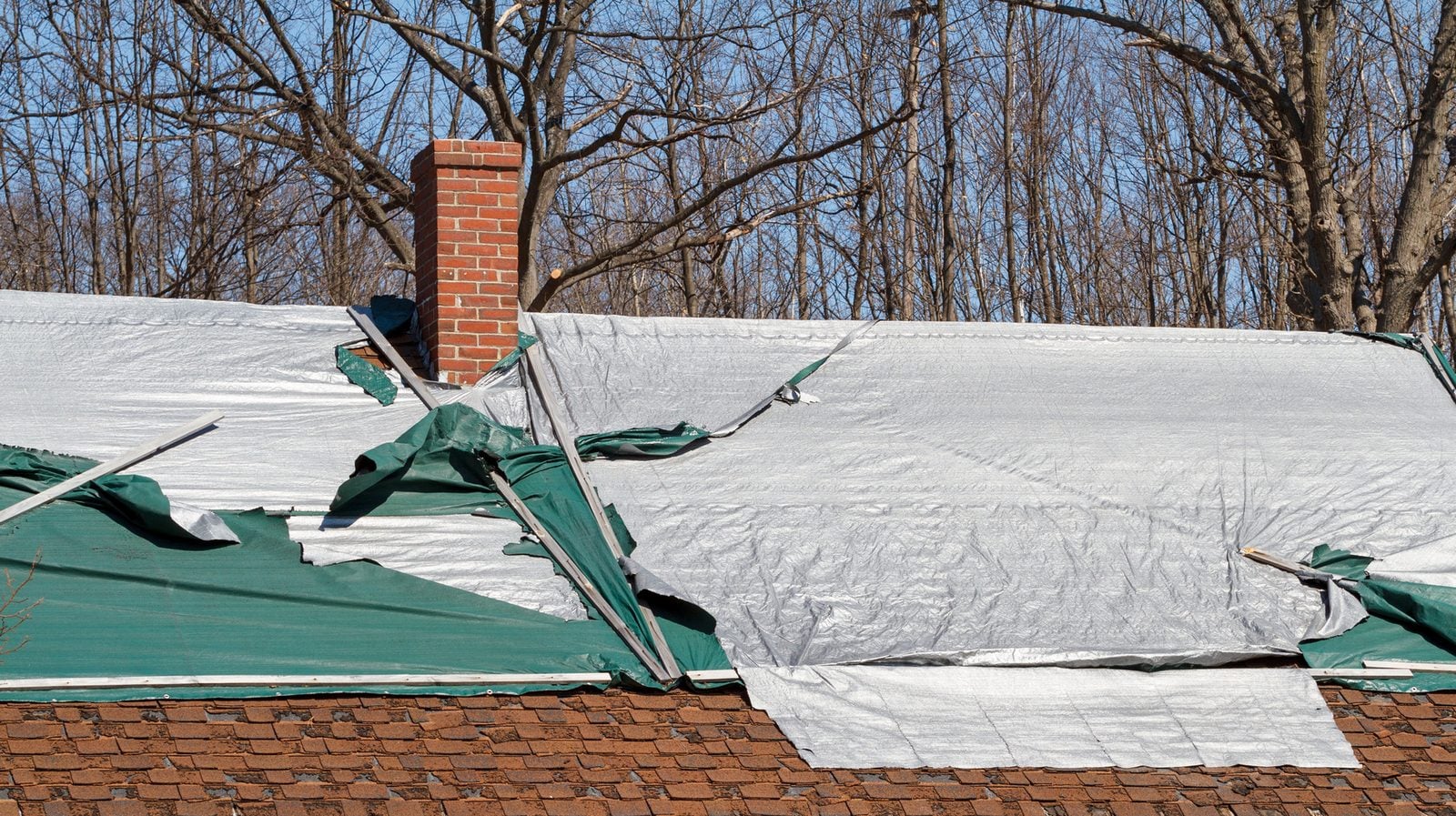
- Colorado State University says nearly all of Colorado's hail and damaging wind storms happen between March and October, with a peak in early June.
- CSU's climate assessment calls eastern Colorado one of the world's hot spots for large hail.
- The Front Range from Fort Collins to Pueblo is prone to downslope windstorms with extreme gusts, which can loosen shingles and flashing.
- Wet drywall, insulation and framing should be dried within 24 to 48 hours to limit the chance of mold.
- Many policies treat sudden damage differently from gradual leaks. Check your policy and document everything.
What to do first
- If water is near light fixtures, outlets or a ceiling fan, stay out of that area and turn off power to that circuit at the panel only if you can do it safely from a dry spot.
- Put buckets or bins under drips and move furniture, rugs and electronics out of the way.
- If the ceiling is sagging with trapped water, keep people and pets out of the room below it.
- Do not climb onto a wet, icy or storm-damaged roof. Wait for the weather to clear and leave roof work to a roofer.
- Take dated photos and video of the ceiling stain, the drips and any damaged belongings before you clean up.
- Call your insurer to report the damage, then call to be connected with a local water damage provider.
What should I do first when my roof starts leaking in Colorado Springs?
When your roof starts leaking in Colorado Springs, focus on the inside of the house first. Catch the water, keep people away from wet electrical areas and start taking photos. Roof leak repair can wait until the storm passes, but the water inside cannot.
A small drip can soak a large patch of insulation before it shows on the ceiling. By the time you see a stain, water may have been spreading across the attic floor or down inside a wall. That is why drying and checking for hidden moisture matter as much as patching the roof. Our first 24 hours guide walks through the early steps.
Is roof leak repair enough, or do I also need water damage cleanup?
Roof leak repair stops new water from coming in, but it does not dry what is already wet. If water reached the attic insulation, drywall, framing or flooring, those materials usually need to be checked with moisture meters and dried properly. Fixing the roof alone can leave damp spots that keep causing trouble.
Think of it as two trades working on one problem. A roofer handles shingles, flashing and the roof deck. A water damage provider handles the ceiling, walls, insulation and anything below. Our roof leak water damage page explains how the interior side works.
What causes roof leaks in Colorado Springs homes?
Most roof leaks in Colorado Springs come from storm damage, worn materials or problems around roof openings. Hail can crack or bruise shingles, strong wind can lift them, and heavy snow can find small gaps as it melts. Leaks often show up days or weeks after the storm that caused them.
- Hail: cracked, dented or bruised shingles that let water in over time.
- Wind: lifted or missing shingles and loose flashing.
- Melting snow: water that backs up at the roof edge or around valleys and seeps under shingles.
- Flashing and vents: worn seals around chimneys, skylights, pipes and vents.
- Age: old shingles and underlayment that no longer shed water well.
Need help now? Call to be connected with a local provider in Colorado Springs who can check availability for your address.
How can I tell if a roof leak caused hidden water damage?
You can often spot hidden roof leak damage by looking for stains, bubbling paint, musty smells or damp insulation in the attic. Water travels along rafters and pipes, so the wet spot inside may be far from the hole in the roof. A moisture meter is the most reliable way to know what is still wet.
- Yellow or brown rings on the ceiling.
- Peeling paint or soft drywall near the top of walls.
- Dark or matted insulation in the attic.
- Water marks on rafters or the underside of the roof deck.
- A musty smell in an upstairs room or closet.
See hidden water damage signs for more clues.
How is water damage from a roof leak dried out?
Water damage from a roof leak is dried by removing soaked materials that cannot be saved, then using air movers and dehumidifiers to pull moisture from what remains. Readings are taken over several visits until materials return to normal dryness. Wet insulation is often removed because it holds water and dries slowly.
Ceiling drywall that is sagging or crumbling usually needs to come down. Firm drywall can sometimes be dried in place. The goal is to dry the space within 24 to 48 hours to limit the chance of mold. Learn more about structural drying and dehumidification.
How do I document a roof leak for an insurance claim?
Document a roof leak with dated photos and video of the ceiling, the attic, damaged belongings and any visible storm damage outside, taken from the ground. Write down when you first noticed the leak and what the weather was. Keep receipts for buckets, tarps or anything else you buy to stop more damage.
The Colorado Division of Insurance advises contacting your insurer as soon as possible, taking steps to prevent further damage and getting the insurer's instructions before making repairs. Many policies treat sudden storm damage differently from a slow leak caused by wear, so check your policy. Our insurance claim basics guide has a full checklist.
What happens during the visit?
During the visit, a local provider inspects the leak area inside the home, traces where the water traveled and checks walls, ceilings, floors and the attic with moisture meters. Then they explain your options and give you a written quote before any work starts.
- Inspection: a look at ceilings, walls, insulation and flooring below the leak.
- Options explained: what can be dried in place, what may need to be removed and whether you should have a roofer look at the roof.
- Written quote: a clear scope you can share with your insurer before work begins.
Ask how drying progress will be recorded and who you should call about the roof itself.
Why do roof leaks happen so often in Colorado Springs?
Colorado Springs sits where several kinds of rough weather meet, and each one puts stress on roofs.
- Colorado State University's climate assessment says nearly all of Colorado's thunderstorm hazards, including hail and damaging winds, happen between March and October, with a peak in early June, and that most impacts fall on the Front Range and eastern Plains.
- The same assessment calls eastern Colorado one of the world's hot spots for large hail.
- CSU also says the Front Range from Fort Collins to Pueblo is prone to downslope windstorms that produce extreme gusts.
- Pikes Peak Regional Building Department design criteria set the ground snow load at 43 psf below 7000 feet and 57 psf at or above 7000 feet, a sign of how much snow can sit on roofs in this region.
- NWS Pueblo lists Colorado Springs' mean date of first fall freeze as October 2nd and its mean date of last spring freeze as May 8th, so roofs see freeze and thaw for much of the year.
Whether you live in Briargate, Monument, Black Forest, Fountain or Woodland Park, call to be connected with a provider who works in your area. See all service areas.
Related pages
Questions people ask
Who do I call for roof leak repair and water damage in Colorado Springs?
Call a roofer for the roof itself and a local water damage provider for the wet ceiling, walls and attic. You can call this site to be connected with a Colorado Springs water damage provider who can check the inside of your home.
My ceiling is dripping from a roof leak, what do I do right now?
Put a bucket under the drip, move your belongings and stay away from wet light fixtures or outlets. Then take photos, call your insurer and call to be connected with a local water damage provider in Colorado Springs.
Is a bulging water spot on my ceiling dangerous?
Yes, a bulging ceiling spot can be dangerous because it may hold enough water to collapse. Keep people and pets out of the room, turn off power to that area if it is safe, and have a provider check it.
Can I wait until spring to fix a roof leak in Colorado Springs?
Waiting until spring is usually a bad idea because water keeps soaking insulation and drywall each time snow melts or it rains. At minimum, get the leak covered and the wet materials inside checked and dried.
How do I know if hail damaged my roof enough to leak?
You often cannot tell from the ground, so look for ceiling stains, damp attic insulation or shingle granules in your gutters after a hail storm. A roofer can inspect the roof itself, and a water damage provider can check for moisture inside.
Why is my roof leaking only when the snow melts?
A roof that leaks only during snowmelt often has water backing up at the edges, valleys or flashing, where melting snow refreezes and pushes under shingles. The water inside should still be dried and checked even if the leak stops.
Will homeowners insurance pay for roof leak water damage in Colorado?
It depends on your policy and on what caused the leak. Many policies treat sudden storm damage differently from leaks caused by wear or poor maintenance, so check your policy, document everything and call your insurer early.
Should I call my insurance company or a roofer first after a roof leak?
Report the damage to your insurer early and ask what they need before repairs begin. You can still take steps to stop more damage, like catching water and covering belongings, while you wait.
Does wet attic insulation need to be replaced after a roof leak?
Wet attic insulation often needs to be removed because it holds water and dries slowly. A provider can check it with a moisture meter and tell you what can stay and what should go.
Can a roof leak cause mold in my Colorado Springs home?
Yes, a roof leak can lead to mold if wet materials are not dried quickly. Drying within 24 to 48 hours lowers the chance of mold growth, so it helps to have the area checked soon after you find the leak.
How long does it take to dry a ceiling after a roof leak?
Drying time depends on how much water got in and what materials are wet. A provider takes moisture readings over several visits and stops drying when the materials reach normal levels.
Can I just paint over a water stain from a roof leak?
You should not paint over a roof leak stain until the leak is fixed and the area is confirmed dry. Paint can hide ongoing moisture and the stain often bleeds back through.
What does fix roof leak mean for the inside of my house?
To fix a roof leak fully, you need to repair the roof and dry or replace the wet materials underneath it. That often includes attic insulation, ceiling drywall and sometimes walls or flooring below.
Why does my roof leak far away from where the water shows on my ceiling?
Water often runs along rafters, the roof deck or pipes before it drips onto the ceiling. The stain inside can be several feet from the actual hole, which is why the attic should be checked too.
Can wind damage cause a roof leak in Colorado Springs?
Yes, strong wind can lift or tear off shingles and loosen flashing, letting water in during the next rain or snow. The Front Range is prone to downslope windstorms, so check your ceilings and attic after big wind events.
Talk to someone about your water damage problem
Call to be connected with a local provider who can check availability for your address and explain the next step.