Commercial Flood Cleanup in Colorado Springs
Commercial flood cleanup in Colorado Springs usually starts with a frozen pipe or sprinkler line that burst over a cold night. Stop the water if you safely can, keep people away from wet electrical areas, and photograph everything. Then call to be connected with a local provider who can inspect the building and explain your options.
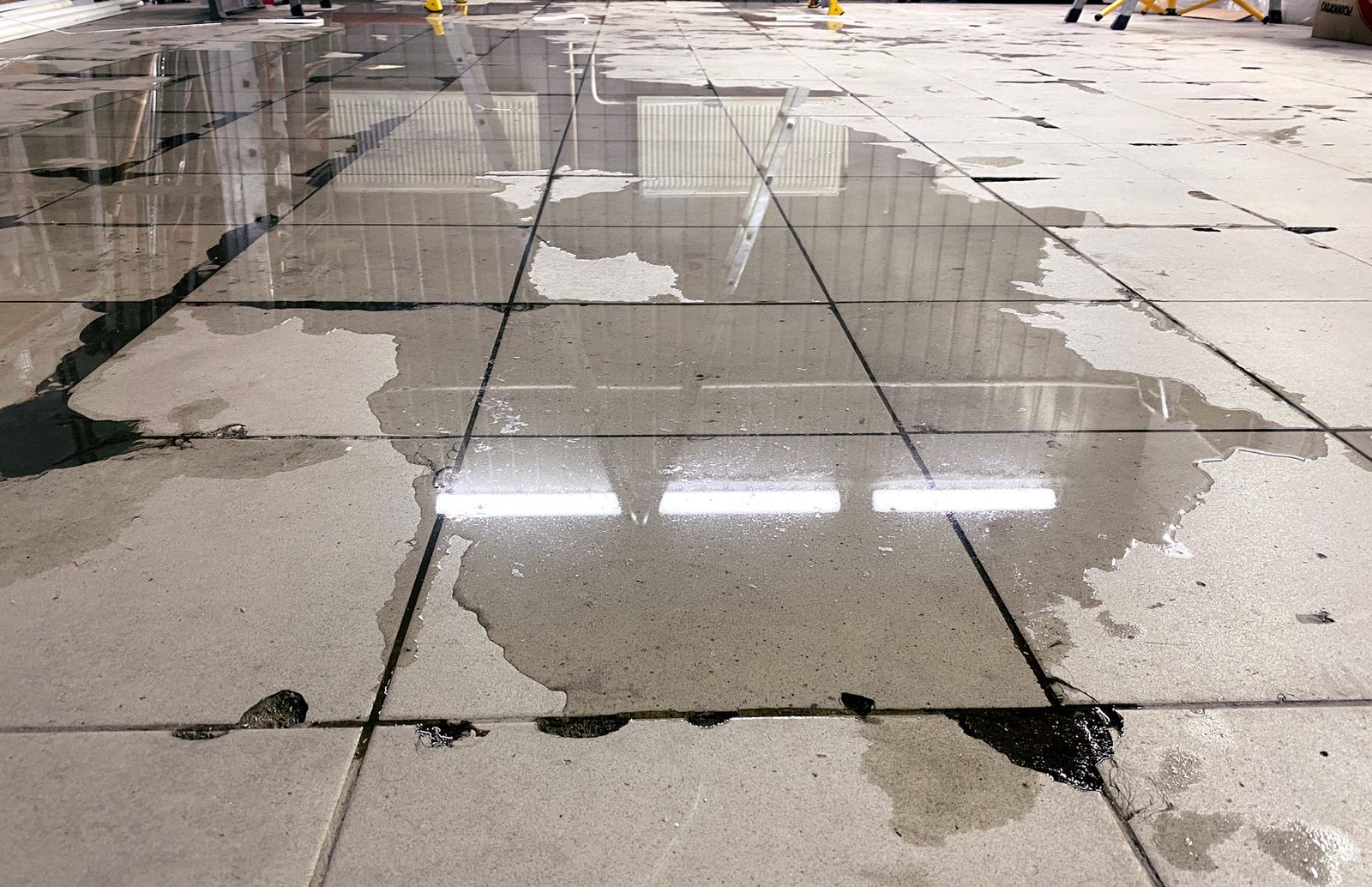
- NWS Pueblo lists Colorado Springs' mean date of first fall freeze as October 2nd, so frozen pipe risk starts early in the season.
- Colorado Springs Utilities says more water main breaks occur between mid-November and February each year, as freeze-thaw cycles strain underground pipes.
- Colorado Springs Utilities advises keeping the thermostat at 55 degrees when a building is empty instead of turning the heat off.
- Under City Code, Colorado Springs Utilities says property owners must maintain and defrost service lines up to the curb stop valve.
- Commercial policies vary. Check your policy, call your insurer early and document everything before cleanup starts.
What to do first
- Shut off the water at the main valve or the valve for the affected zone, if you know where it is and can reach it safely.
- If a fire sprinkler line broke, call your fire protection contractor and alarm monitoring company before you shut that system down, and follow their instructions.
- Keep staff, tenants and customers out of areas where water is near outlets, panels or lights, and turn off power to those areas only if it is safe.
- Take photos and video of the water, the broken pipe and damaged stock or equipment before anything is moved.
- Call your insurer to report the loss and ask what they need before repairs begin.
- Call to be connected with a local water damage provider who can check the building and explain the next step.
What does commercial flood cleanup in Colorado Springs involve?
Commercial flood cleanup in Colorado Springs means removing standing water, drying the building structure, cleaning affected surfaces and documenting the loss for your insurer. In winter, most commercial water losses start inside the building, from a frozen supply pipe, a split sprinkler line or a heating failure over a weekend.
The work looks a lot like emergency water extraction in a home, but on a larger scale. Offices, retail spaces, warehouses and multi-unit buildings often have more square footage, more shared walls and more people affected. Planning around tenants and business hours is part of the job.
Why do commercial pipes and sprinkler lines burst in winter?
Commercial pipes burst in winter when water inside them freezes, expands and splits the pipe. The leak often shows up later, when the ice thaws and water starts flowing again. Lines in unheated areas, exterior walls, loading docks, stairwells and above drop ceilings are the usual weak spots.
- Empty buildings: heat turned down or off over a holiday or between tenants.
- Sprinkler branch lines: pipes near exterior walls, attics or unheated entries can freeze.
- Rooftop units and makeup air: cold air drawn in can chill nearby pipes.
- Service lines: underground lines can freeze or break during deep cold.
What should a property manager do first after a pipe bursts?
A property manager should stop the water, make the space safe and start a written record of the loss right away. Know where the main shutoff and zone valves are before winter, and keep that information where after-hours staff can find it. Fire sprinkler systems are life-safety equipment, so involve your fire protection contractor before shutting one down.
Next, notify affected tenants, report the loss to the building owner and insurer, and keep a log of times, calls and decisions. Our burst pipe cleanup page covers the basics that apply to any building.
Need help now? Call to be connected with a local provider in Colorado Springs who can check availability for your address.
How do you document commercial water damage for an insurance claim?
Document commercial water damage with dated photos, video, a written timeline and a list of every damaged item before cleanup starts. Insurers usually want to see the source of the water, how far it spread and what was lost. Good records make the claim easier to review.
- Photograph the broken pipe or sprinkler head and keep the failed part if you can.
- Record ceiling, wall and floor damage in each affected suite.
- List damaged inventory, furniture, electronics and records.
- Save receipts for anything you buy to limit further damage.
- Keep copies of moisture readings and drying records from the provider.
Many policies treat sudden damage differently from gradual leaks, so check your policy and document everything. Our insurance claim basics guide explains more.
How is a commercial building dried after a flood?
A commercial building is dried by removing standing water, then using air movers and dehumidifiers to pull moisture out of walls, floors and ceilings. Moisture meters show which materials are still wet. Drying is checked over several visits until readings reach normal levels for that material.
Larger spaces may need equipment set up in zones so open areas of the business can keep running. Materials that cannot be dried, such as soaked ceiling tiles or some carpet pad, are often removed. See structural drying and dehumidification for how the equipment works.
Can a business stay open during flood cleanup?
A business can often stay partly open during flood cleanup if the affected area can be closed off safely. It depends on where the water went, whether electrical systems were affected and whether the drying equipment blocks exits or walkways. Ask the provider to explain which areas need to stay closed.
Plastic containment walls, scheduled work hours and clear signs help keep customers and staff away from wet areas. If the water was dirty, such as a sewer backup, the affected area usually stays closed until it is cleaned. Our sewage backup cleanup page explains why.
What happens during the visit?
During the visit, a local provider inspects the building, finds where the water came from and checks how far it spread. They use moisture meters to check walls, floors and ceilings, including areas you cannot see. Then they explain your options and give you a written quote before any work starts.
- Inspection: walk-through of affected suites, common areas and mechanical rooms.
- Options explained: what can be dried in place and what may need to be removed.
- Written quote: a clear scope you can share with the owner and insurer before work begins.
Ask questions about tenant access, noise and how drying progress will be recorded.
How can you prevent frozen pipe floods in a commercial building?
You can lower the risk of frozen pipe floods by keeping the heat on, insulating exposed pipes and checking empty spaces often during cold snaps. Most winter losses happen in spaces nobody is watching, such as vacant suites, back rooms and buildings closed for a long weekend.
- Keep vacant units heated, not shut down.
- Seal drafts near loading doors, vents and exterior walls.
- Have your sprinkler system checked by your fire protection contractor before winter.
- Label shutoff valves and train after-hours staff.
- Walk the building after any deep freeze.
What makes winter water damage different in Colorado Springs?
Winter comes early and stays late in Colorado Springs. NWS Pueblo lists the city's mean date of first fall freeze as October 2nd and its mean date of last spring freeze as May 8th, so commercial buildings face months of freeze risk.
- Colorado Springs Utilities says freeze-thaw cycles strain underground pipes, especially where clay soils are common, and that more main breaks occur between mid-November and February each year.
- Colorado Springs Utilities advises setting the thermostat at 55 degrees when away instead of turning the heat off, because turning it off can lead to frozen or broken pipes.
- On extremely cold days, Colorado Springs Utilities suggests running a continuous stream of water about the diameter of a pencil.
- Colorado Springs Utilities says that under City Code, property owners must maintain, including defrosting, and/or replace service lines up to the curb stop valve.
Pikes Peak Regional Building Department design criteria set the ground snow load at 43 psf below 7000 feet, a reminder that heavy snow sits on flat commercial roofs here. Whether your building is in Briargate, Cimarron Hills, Fountain, Security-Widefield or Monument, call to be connected with a provider who works in your area. See all service areas.
Related pages
Questions people ask
Who do I call for commercial flood cleanup in Colorado Springs?
Call a local water damage provider who handles commercial buildings in Colorado Springs. You can call this site to be connected with one who can check availability for your address and explain the next step.
What should I do if a pipe bursts in my office building at night?
Shut off the water at the main or zone valve if you can, keep people away from wet electrical areas and take photos. Then call your insurer and a local water damage provider.
Can I shut off a fire sprinkler system myself if it is leaking?
Talk to your fire protection contractor and alarm monitoring company first. Sprinkler systems are life-safety equipment, and shutting one down can affect fire protection and alarm monitoring for the whole building.
Why did my building's sprinkler pipe freeze if the heat was on?
Sprinkler pipes can freeze in spots the heat does not reach, such as exterior walls, attics, entries and above ceilings. Drafts from vents or loading doors can also chill a single line.
Does commercial insurance cover a burst pipe flood?
It depends on your policy. Many policies treat sudden damage differently from gradual leaks, so check your policy, report the loss early and document everything.
Should I call my insurer before cleanup starts?
Yes, report the loss as soon as you can and ask what they need. The Colorado Division of Insurance advises contacting your insurer early, taking steps to prevent further damage and getting the insurer's instructions before repairs.
How do I know if water got into the walls of a commercial suite?
A moisture meter is the most reliable way to tell. Stains, bubbling paint, soft drywall and a musty smell are clues, but water can travel inside walls and under flooring without showing.
Who is responsible for water damage in a leased commercial space?
It depends on your lease and the cause of the leak. Check the lease, notify the landlord or property manager right away and let both insurers know.
Do ceiling tiles need to be replaced after a sprinkler leak?
Soaked ceiling tiles usually need to be replaced because they sag, stain and hold moisture. A provider can check the grid and what is above it for wet insulation or wiring.
Can mold grow after a commercial flood in Colorado Springs?
Yes, mold can grow if wet materials are not dried quickly. Drying the building fully and removing materials that cannot be dried lowers the risk. See our mold page for more.
How long does commercial water damage cleanup take?
It depends on how much water there was, what got wet and how big the space is. The provider will explain the plan after an inspection, and drying progress is checked over several visits.
Who fixes a frozen water service line outside my building in Colorado Springs?
The property owner is usually responsible. Colorado Springs Utilities says that under City Code, owners must maintain and defrost service lines up to the curb stop valve.
What is the difference between clean water and dirty water damage in a business?
Clean water comes from a supply line or sprinkler pipe, while dirty water comes from sewage, toilets or outside flooding. Dirty water needs more cleaning, and affected materials are more likely to be removed.
Can I use shop vacs and fans instead of hiring someone for a commercial flood?
For a very small, clean spill, maybe. For a burst pipe or sprinkler leak in a commercial space, water often spreads into walls, ceilings and other suites, so a moisture check is a good idea.
What should a property manager keep on file before winter?
Keep a map of shutoff and zone valves, contacts for your fire protection contractor, alarm company and insurer, and a list of vacant units to check during cold snaps.
Talk to someone about your water damage problem
Call to be connected with a local provider who can check availability for your address and explain the next step.