Flood Damage in Colorado Springs Basements
Flood damage in a Colorado Springs basement needs fast action: stop the water source, stay safe around electricity, document everything and start drying within 24 to 48 hours. Finished basements, garden-level rooms and walkout lower levels hold water in carpet, drywall and framing. Call to be connected with a local provider who can measure hidden moisture.
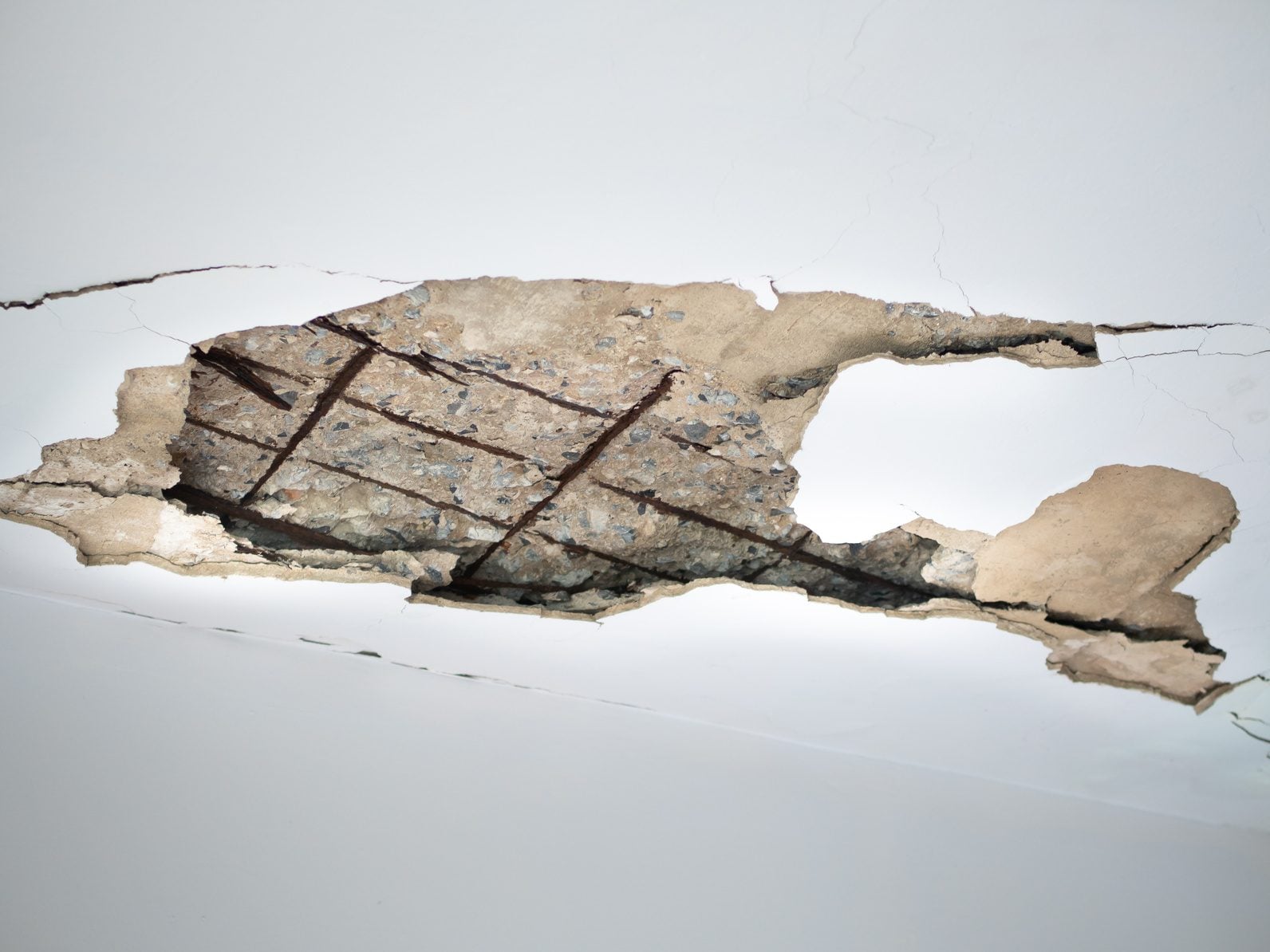
- Wet carpet pad, drywall and insulation should be dried within 24 to 48 hours to limit the chance of mold.
- The Colorado Division of Insurance says homeowners and renters insurance does not cover flood losses; flood insurance is a separate NFIP policy.
- Colorado Springs Utilities says customers maintain the four-inch wastewater line between the CSU main and the home.
- The Colorado Geological Survey says water makes expansive soil swell, and names planting next to the foundation as a problem.
- Many policies treat sudden damage differently from gradual leaks. Check your policy and document everything.
What to do first
- Do not walk into standing water near outlets, cords, a furnace or a water heater.
- If the water is coming from a pipe or fixture, turn off the main water shut-off valve.
- If the water is coming up through a floor drain or toilet, stop running water, showers and laundry upstairs.
- Take dated photos and video of every wet room, the water line on walls and damaged belongings.
- Lift rugs, boxes and electronics off the wet floor, then call to be connected with a local provider.
What should I do first about flood damage in my Colorado Springs basement?
For flood damage in a Colorado Springs basement, make it safe first, then stop the source. Stay out of water near outlets or appliances, shut off the water if a pipe is leaking, and pause water use upstairs if a drain is backing up. Then document the damage and start drying.
Basements are the low point of the house, so water from almost any source ends up there. Common sources are burst pipes, water heaters, sewer backups, snowmelt and storms. Our emergency water extraction page explains how standing water is removed.
Why do finished basements hold so much water?
Finished basements hold water because carpet, pad, drywall, insulation and wood framing all soak it up. A small puddle on bare concrete dries fast. The same water in a finished room wicks up drywall, spreads under carpet and hides behind baseboards, where it stays wet for days.
- Carpet and pad: pad acts like a sponge and is often removed after dirty water.
- Drywall: water climbs above the visible line, so walls may be wet higher than they look.
Is a garden-level or walkout lower level treated differently?
A garden-level or walkout lower level is cleaned up the same way as a basement, but water often gets in a different way. Garden-level rooms sit partly below grade and take water through window wells. Walkouts open to the yard, so runoff can come in under a door or through a slab edge.
Water that ran across the ground is treated as dirty water.
Need help now? Call to be connected with a local provider in Colorado Springs who can check availability for your address.
Is a slab home or garage with flood damage any easier?
A slab home or attached garage is often easier because there is no below-grade room for water to collect in. Water spreads across the floor and wicks into the bottom of walls and cabinets instead.
In a slab home, laminate and engineered wood can trap water underneath. If an appliance caused it, see our appliance leak cleanup page.
Does the kind of water change how basement flood damage is cleaned up?
Yes. Clean water from a supply pipe can often be dried in place if it is caught early. Water from outside ground runoff is treated as dirty, and sewage from a backed-up floor drain is the most serious. The dirtier the water, the more porous material, like pad and lower drywall, usually comes out.
If sewage came up through a floor drain or toilet, see our sewage backup cleanup page. Keep pets out until it is cleaned.
Can I dry a flooded basement myself?
You can dry a basement yourself when a small amount of clean water hit bare concrete or tile and you caught it fast. Call for help when water soaked carpet, drywall or insulation, came from outside or a drain, or you cannot tell how far it spread.
Fans and a shop vacuum do not show what is still wet inside a wall or under a floor. A provider uses moisture meters and drying equipment. Our structural drying page explains how that works.
How does insurance usually treat basement water?
It depends on the cause and your policy. Many policies treat sudden damage differently from gradual leaks; check your policy and document everything. The Colorado Division of Insurance says flooding from rain is typically excluded from homeowners and renters policies, and that sewer backup coverage is something you may need to buy separately.
The Division also advises contacting your insurer as soon as possible, taking steps to prevent further damage, and getting the insurer's instructions before making repairs. Our insurance claim basics guide has a checklist.
What happens during the visit?
During the visit, a local provider finds where the water came from, checks how far it spread with moisture meters, and looks at walls, floors, framing and stored items. Then they explain your options and give you a written quote before any work starts.
- Inspection: a room-by-room check, including wall cavities and under flooring.
- Options explained: what can be dried in place, what likely needs removal, and whether a plumber or other trade should look at the source.
- Written quote: a clear scope you can review and share with your insurer before work begins.
Ask how drying progress will be measured, since those readings help with a claim. To talk it through, call (719) 219-6435.
Why do Colorado Springs basements and lower levels flood?
Local conditions push water toward the lowest floor.
- The Colorado Geological Survey says water from natural or human sources makes expansive soil swell, and it names planting next to the foundation, where irrigation water soaks in, as a problem.
- The Colorado Geological Survey also says cracked and heaved basement and garage floor slabs are very common signs of expansive clay across the state.
- NWS Pueblo lists Colorado Springs' mean date of first fall freeze as October 2nd, so frozen pipes become a basement risk early in the season.
- Colorado Springs Utilities says customers are responsible for the four-inch wastewater service line between the CSU main and the home, and recommends professional cleaning every two years.
Whether your lower level is in Colorado Springs, Briargate, Monument, Fountain, Security-Widefield or Falcon, call to be connected with a provider who works in your area. See all service areas, or read about water damage restoration in Monument.
Related pages
Questions people ask
Who do I call for flood damage in a basement in Colorado Springs?
Call (719) 219-6435 to be connected with a local provider who handles basement flood damage in Colorado Springs. If a pipe is still leaking, shut off the main water valve first.
How do I know if flood damage got into my basement walls?
In a Colorado Springs basement, the surest way to know is a moisture meter reading. Stains, swollen baseboards and a musty smell are common signs.
Is it safe to go into my flooded basement?
It is not safe to walk into basement water near outlets, cords, a furnace or a water heater. If the electrical panel is in the wet area, stay out and leave the power alone until it can be checked.
How long does it take a flooded basement to dry out?
It depends on how much water got in, what it soaked and the materials involved. Drying is done when moisture readings show materials are dry, not after a set number of days, so ask the provider to share readings.
Why is my basement carpet wet but I do not see a leak?
A wet basement carpet with no visible leak often points to a hidden supply line, a water heater, a window well or water coming through the slab or foundation wall. A Colorado Springs provider can trace the source with moisture readings.
What do I do if my floor drain is backing up into the basement?
Stop using water in the house right away, including toilets, showers and laundry. Then call to be connected with a Colorado Springs provider, and treat the water as sewage until it is cleaned up.
Who is responsible for a clogged sewer line in Colorado Springs?
Colorado Springs Utilities says customers are responsible for the four-inch wastewater line between the CSU main and the home. CSU recommends professional cleaning every two years.
Does homeowners insurance cover flood damage in a basement in Colorado?
The Colorado Division of Insurance says homeowners and renters insurance does not cover flood losses, and that flood insurance is a separate NFIP policy. Damage from other causes, like an interior pipe, may be treated differently, so check your policy.
Can a frozen pipe flood my basement in Colorado Springs?
Yes. A frozen pipe in a Colorado Springs basement or crawl space can split and release a lot of water once it thaws. NWS Pueblo lists the city's mean first fall freeze as October 2nd, so the risk starts early.
Why does water come in through my window well?
Window wells collect rain and melting snow, and if the drain at the bottom is clogged, water rises and leaks around the window. In Colorado Springs, clear window wells before storms.
Can cracks in my basement floor let water in?
Yes, cracks in a basement floor slab can let groundwater seep in. The Colorado Geological Survey says cracked and heaved basement floor slabs are very common signs of expansive clay in Colorado, though cracks can have other causes too.
Will mold grow after my basement floods?
Mold can grow if wet materials are not dried within 24 to 48 hours. Drying the basement quickly and removing materials that cannot be dried lowers that chance.
Should I throw away wet things from the basement right away?
Not before you document them. Take photos and a list of damaged items first, and check with your insurer before throwing things out.
How can I keep my Colorado Springs basement from flooding again?
Fix the source that caused it, keep downspouts draining away from the house, clear window wells and keep irrigation off foundation walls. Colorado Springs Utilities also advises keeping the heat at 55 degrees when away in winter.
What is the difference between water damage and flood damage?
Insurers usually mean outside surface water when they say flood. Water damage often refers to water from inside the house, like a burst pipe. The difference can matter for a claim.
Talk to someone about your water damage problem
Call to be connected with a local provider who can check availability for your address and explain the next step.